“The magical Chimps trekking Paradise”
Welcome to Mahale Mountains National Park
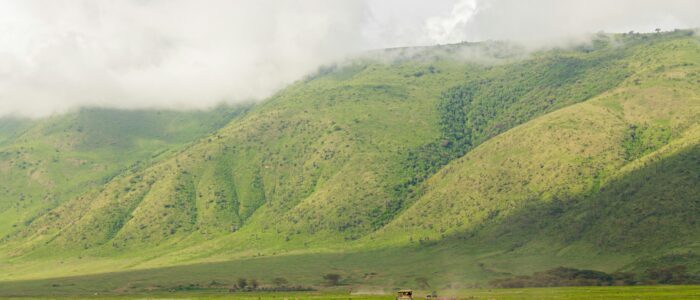
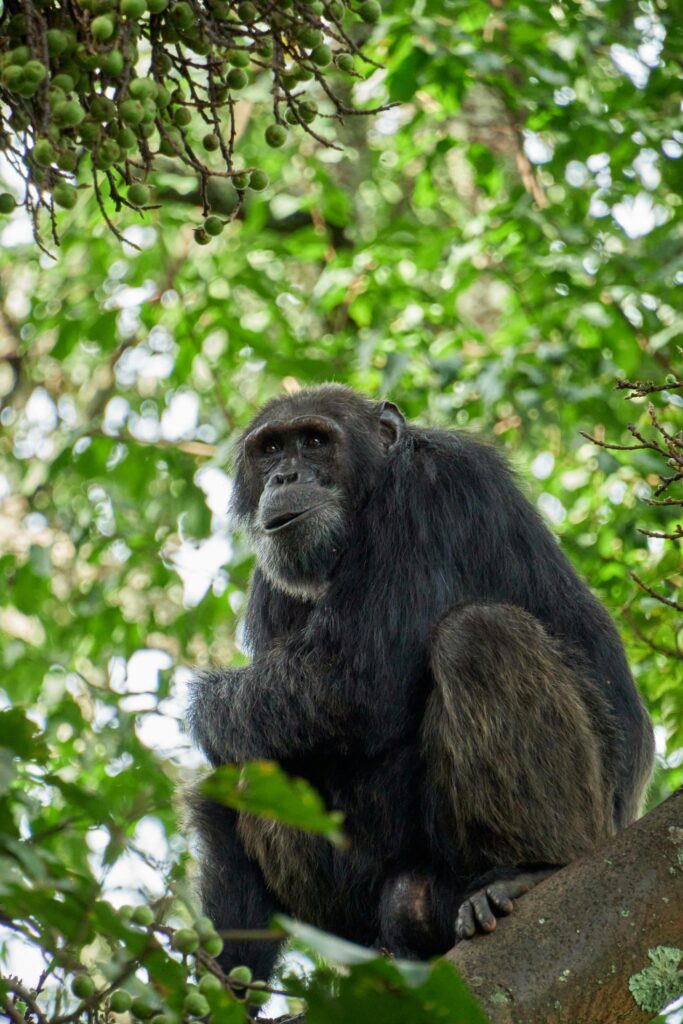
On the shores of Lake Tanganyika, the oldest and deepest lakes in the world lies a pristine and remote park; the Mahale National Park which holds and protect the largest known population of chimpanzees, the jungle and the mountains. Visiting the park is a gratifying experience as you have a chance to carry game drive, chimp-trekking, hiking, snorkeling and bird watching.
The establishment of this Park was a reflection of the government commitment to preserving the chimpanzee population as well as an emulation of the efforts by Japanese researchers who pioneered to conduct research on primates including chimpanzees.
Climate
The park experiences two rainy seasons, the short rains (mid October-November) and heavy rains (March to mid may) with an annual range of 1,500 – 2,500mm. The park is located at an altitude between 750 and 2,250 meters.
Getting there
The park can be accessed throughout the year by road, water and air.
Road: From Kigoma town the park can be accessed by road 128km (5hrs drive) south, the road running south-east of Lake Tanganyika shore
Air: Using charted flight (Zantas air, Coastal aviation, Air Excel and safari air link) from all major cities and towns
Water: Also can be reached by ship (9-10hrs cruise) via Lake Tanganyika to Lagosa point and then by using boat with 30 minutes cruise to the park. Also there is a public transport at Rukoma village or Mgambo village where you can hire a local boat or arrange with park for boat pick up, or public transport to Park Headquarter.
Park Attractions
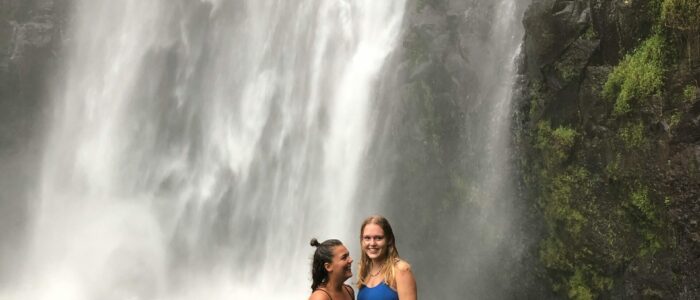
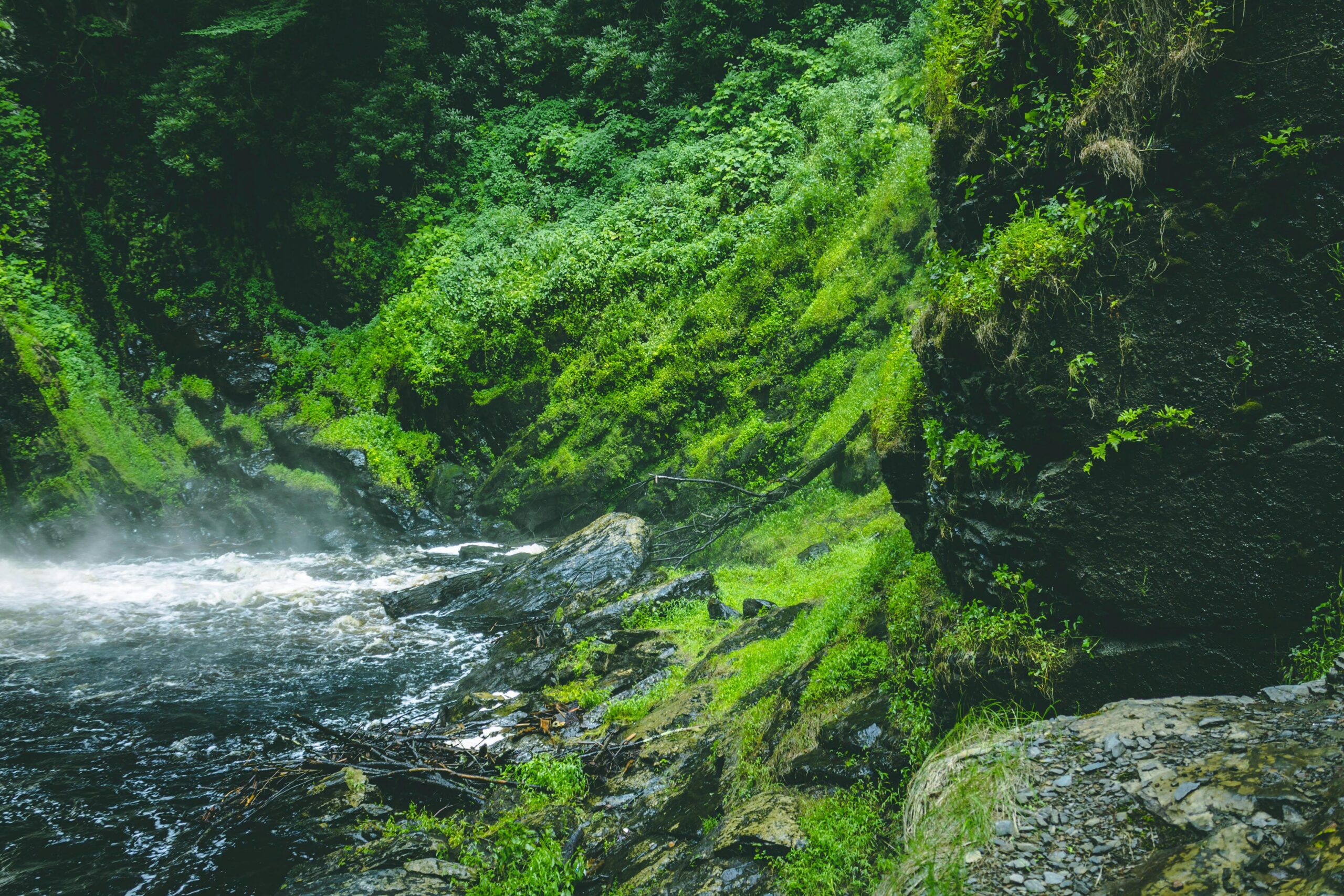
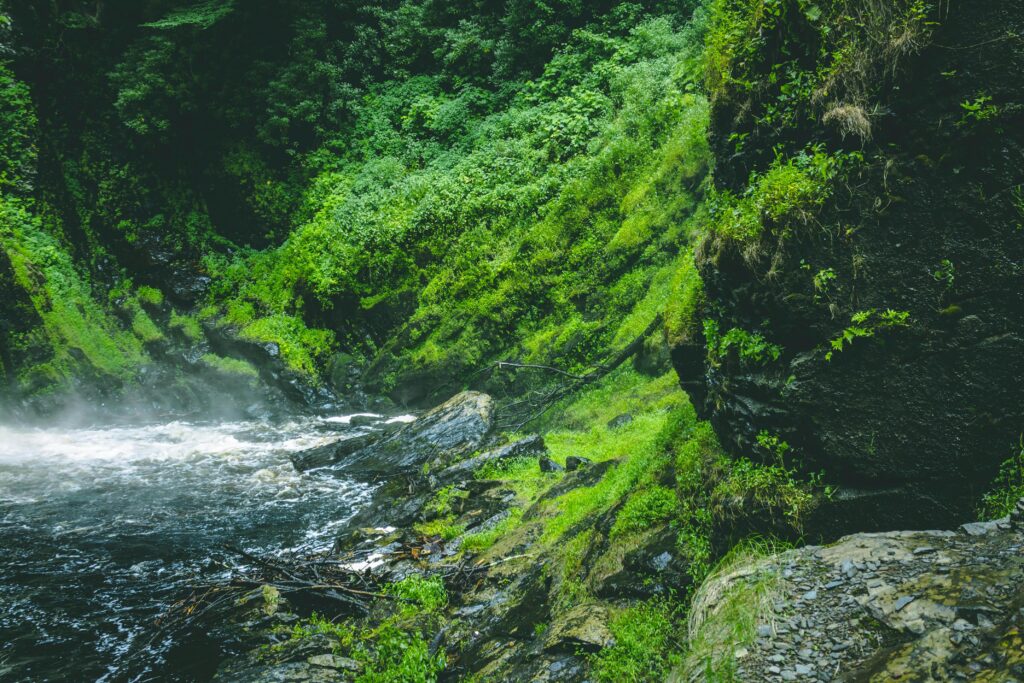
Mahale Mountains National Park is famous for chimpanzees, However there are other attractions like the Lake Tanganyika which is the second oldest freshwater lake in the world ,the second largest by volume and the second deepest in all cases after lake Baikal in Siberia. Other attractions include beautiful varieties of waterfalls like Ntale, Kasiha and Sansa , wild animals like warthogs, mountains and sand beaches
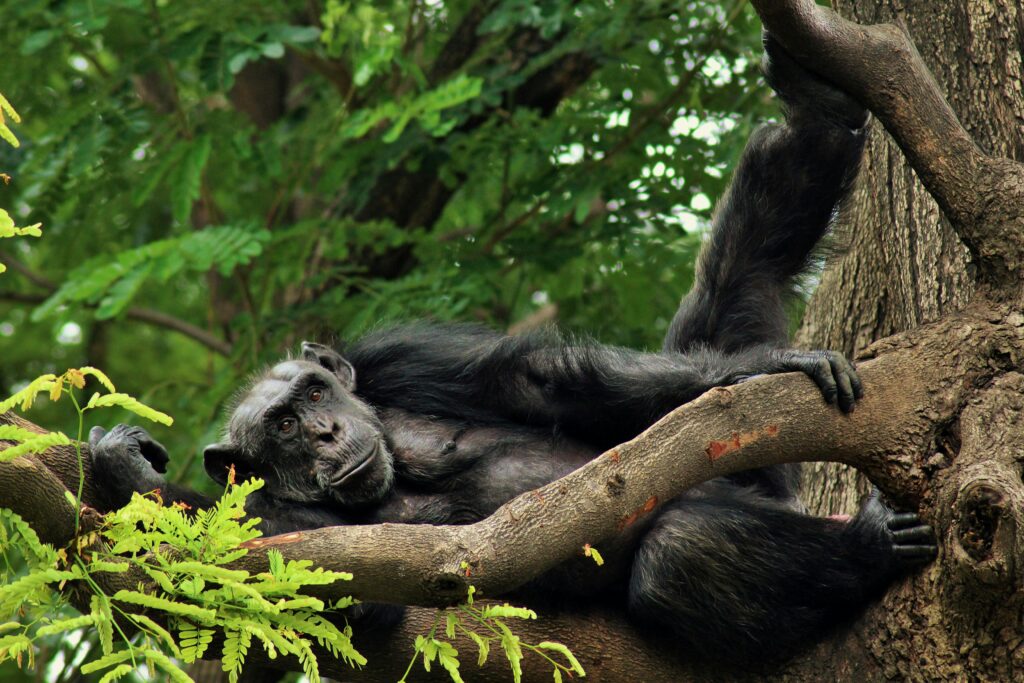
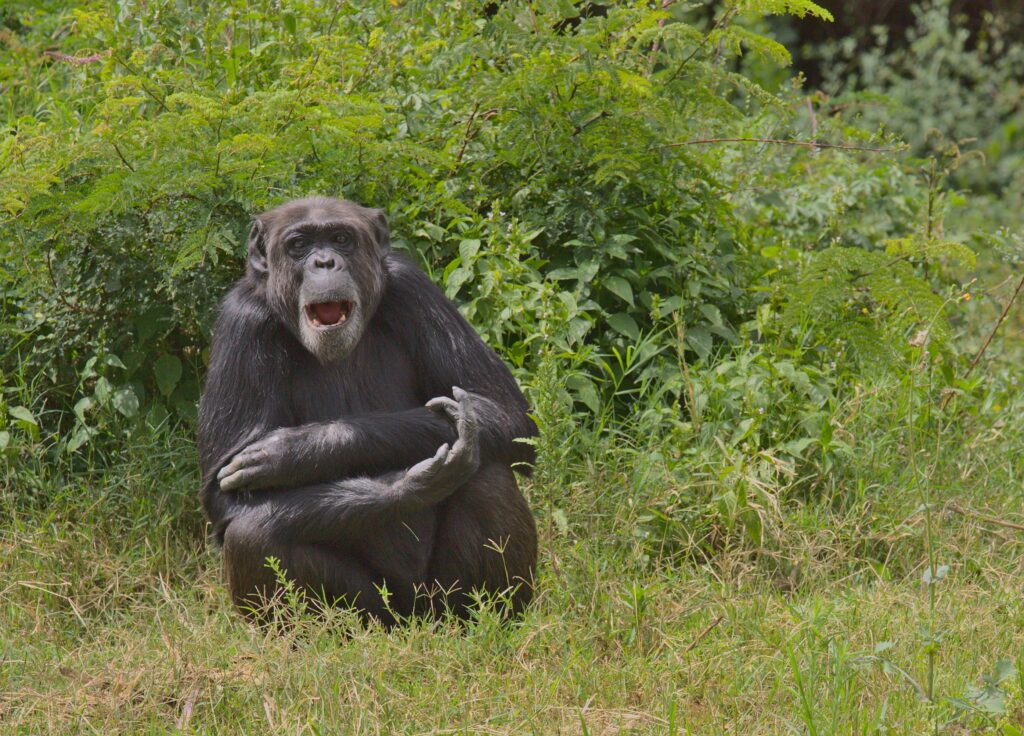
The chimps
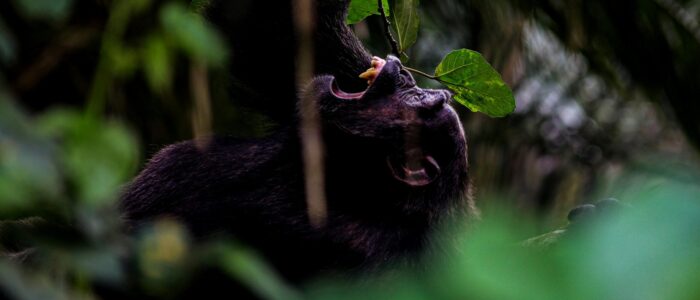
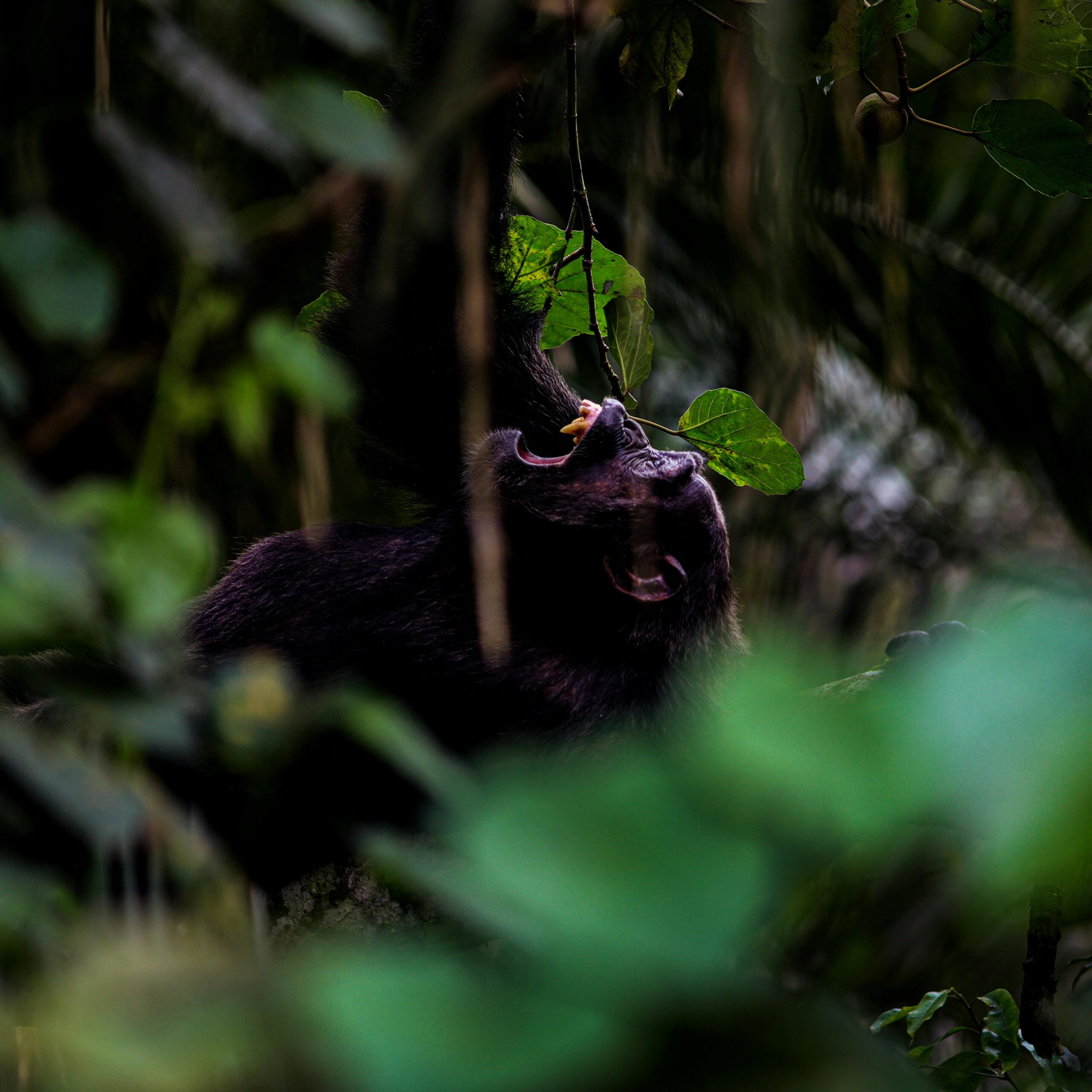
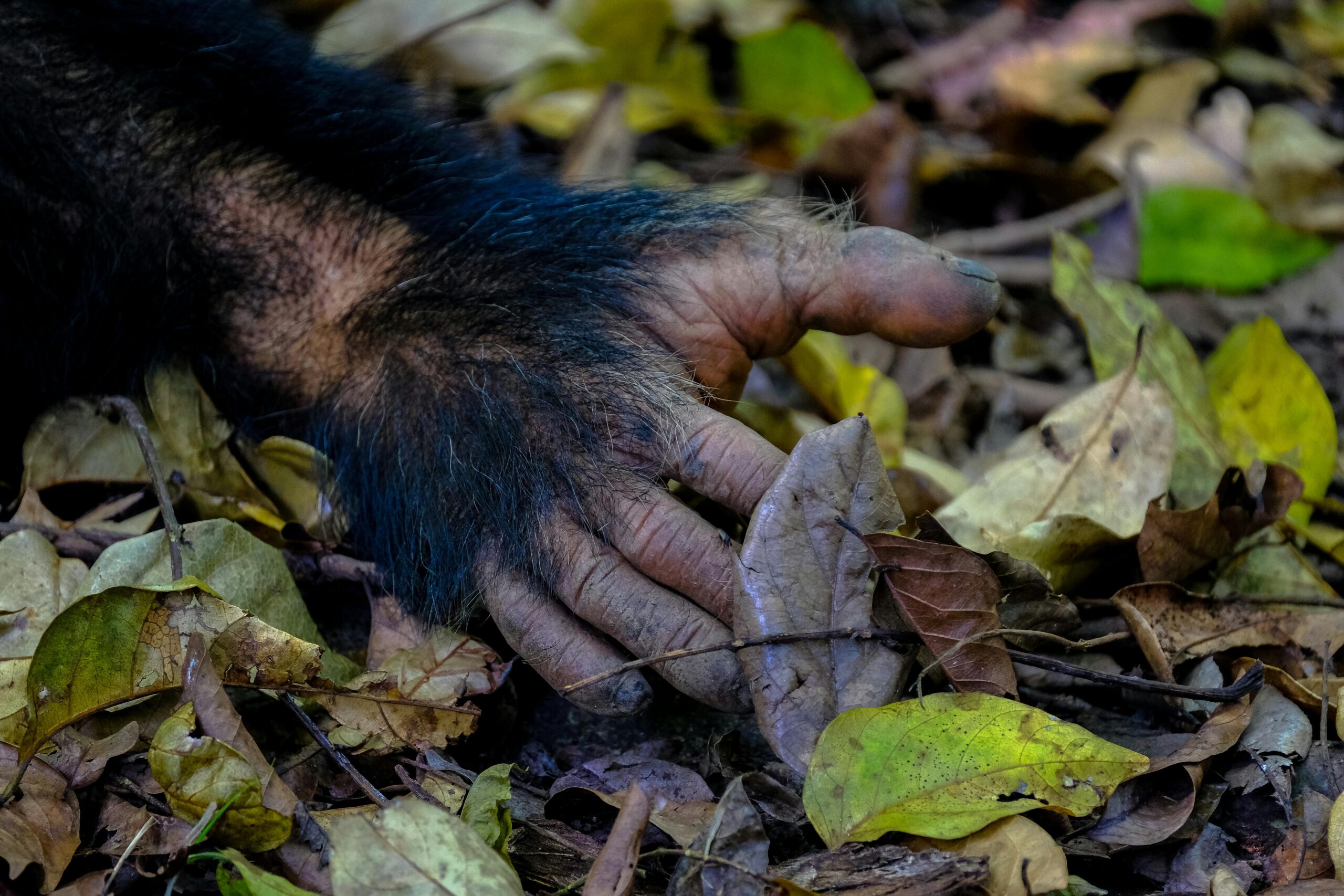
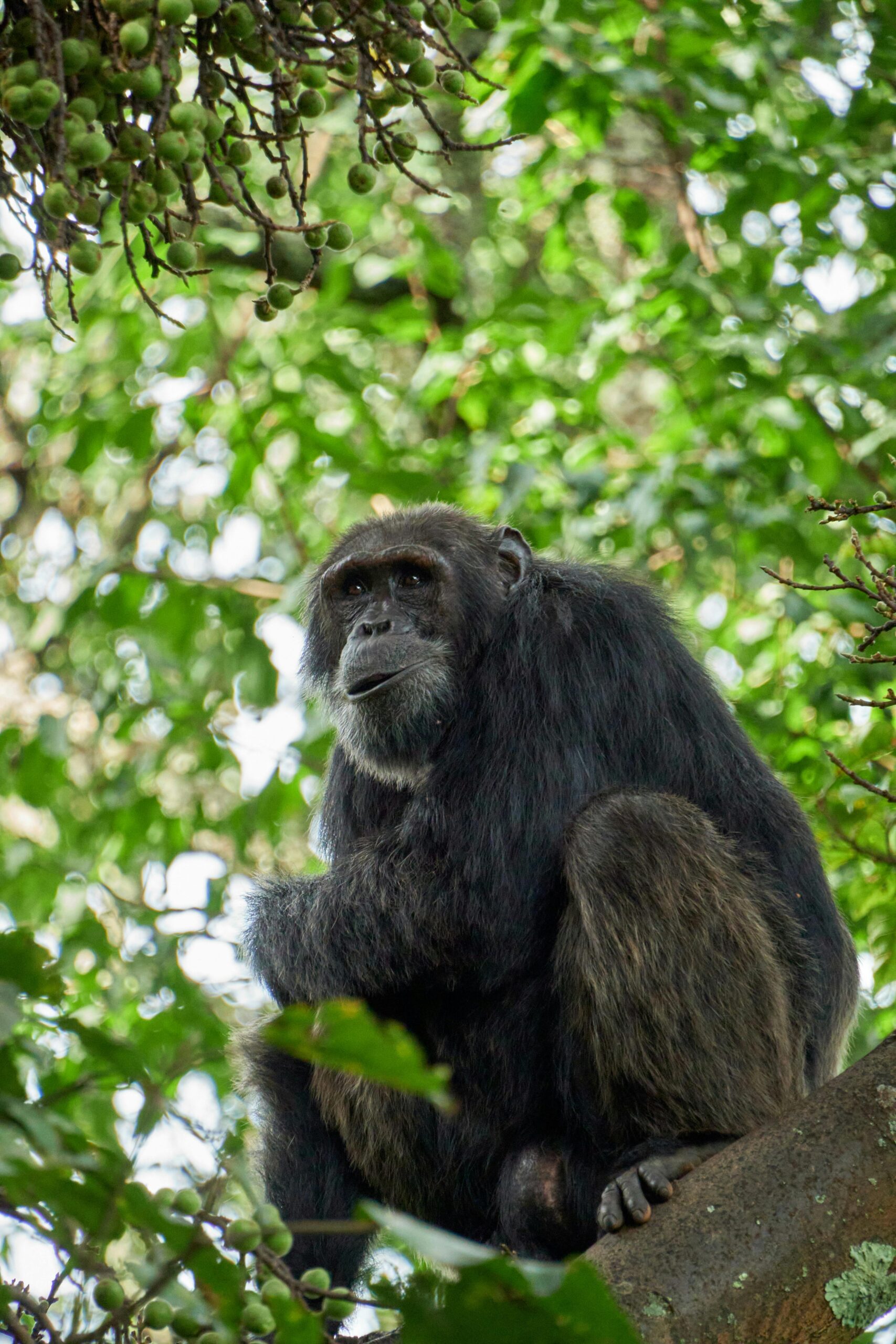
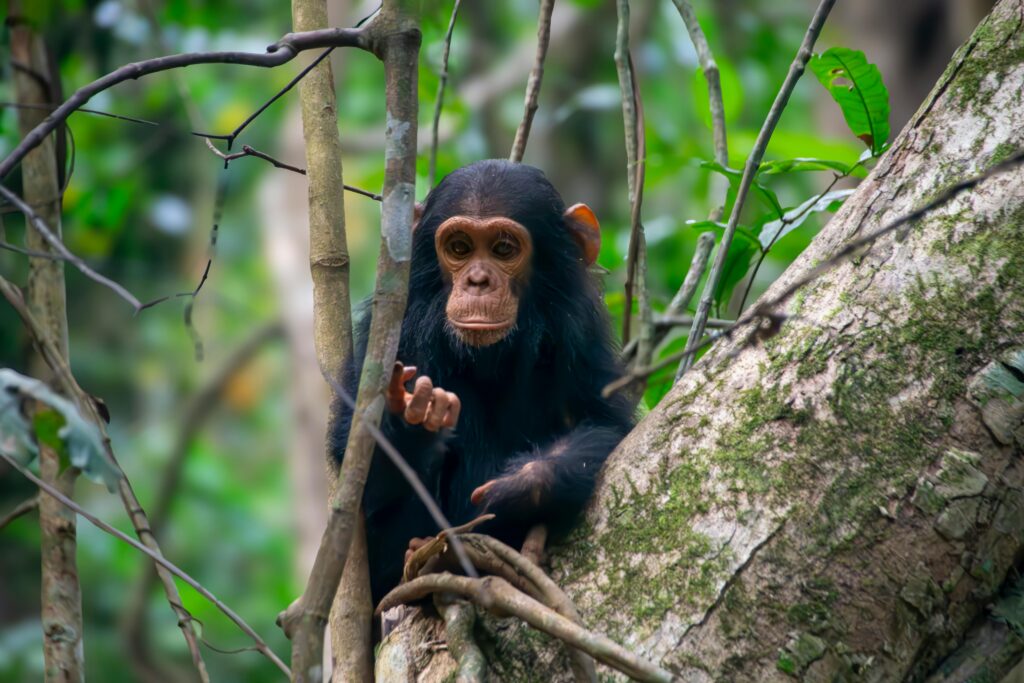
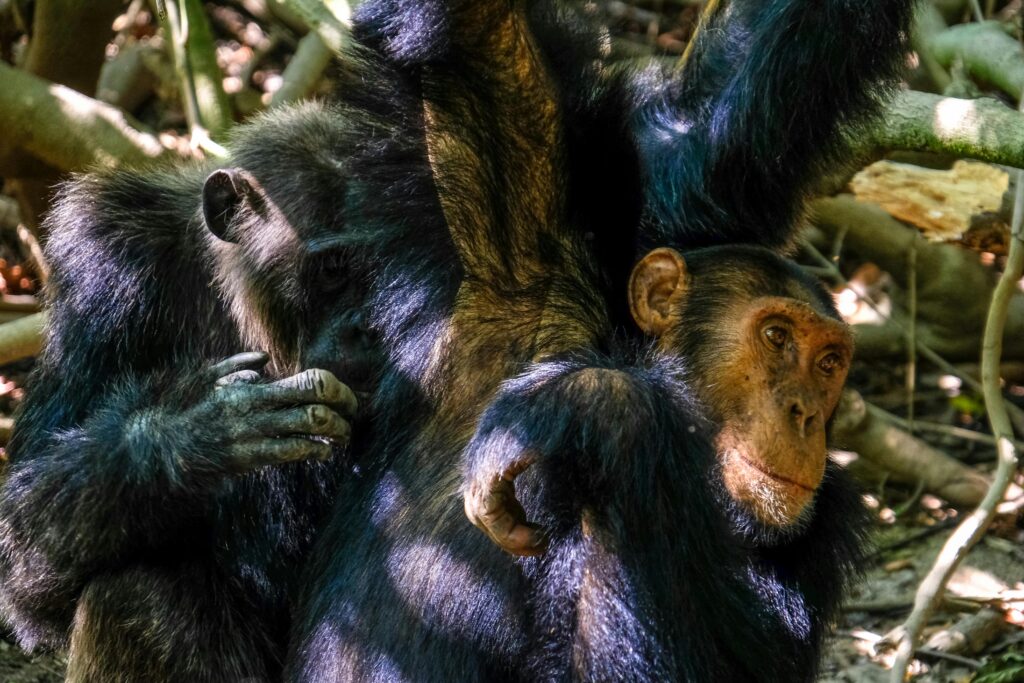
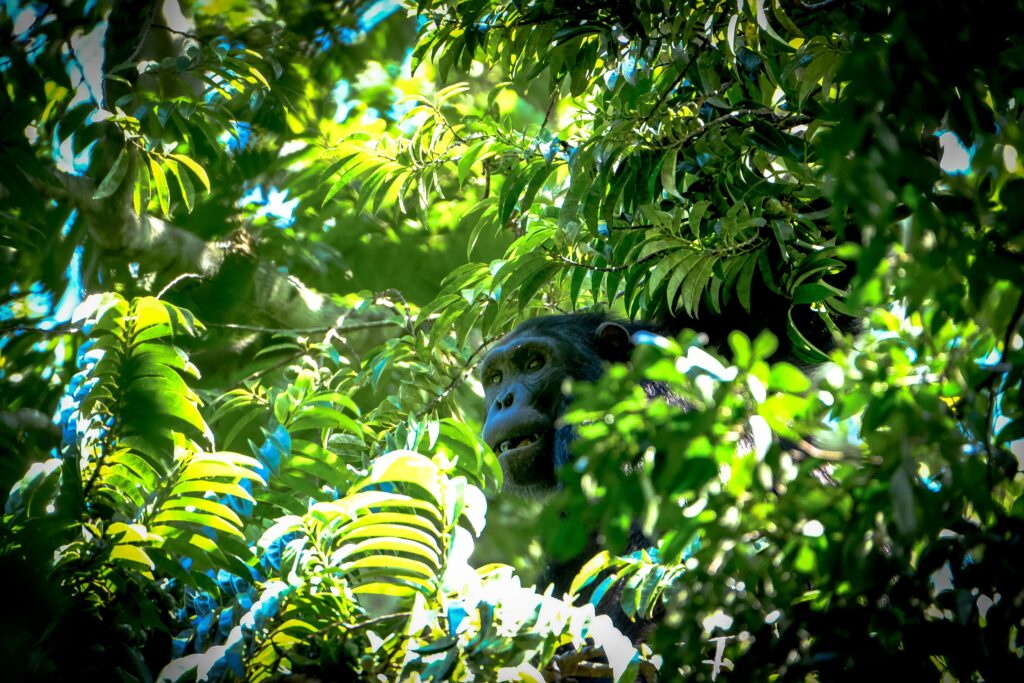
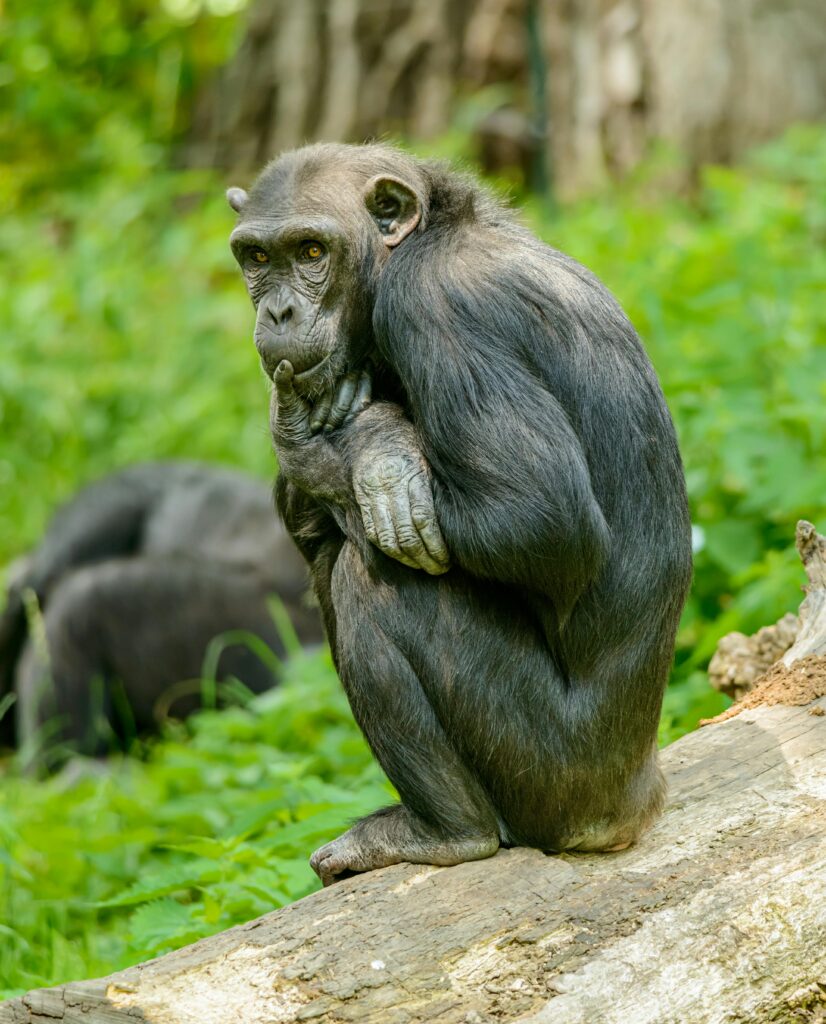
The chimps are always seen in the forest jumping from one branch to another, from one tree to another and other times on the ground playing, grooming and eating.
Rivers and Waterfalls
Lake Tanganyika
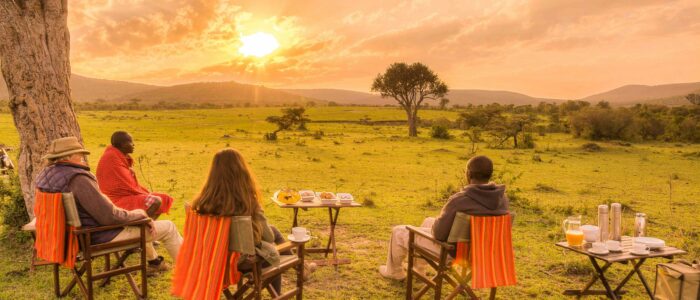
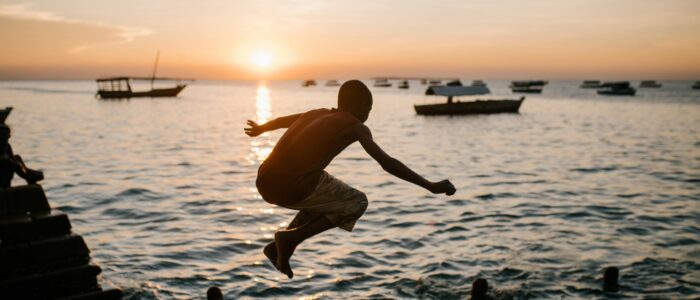
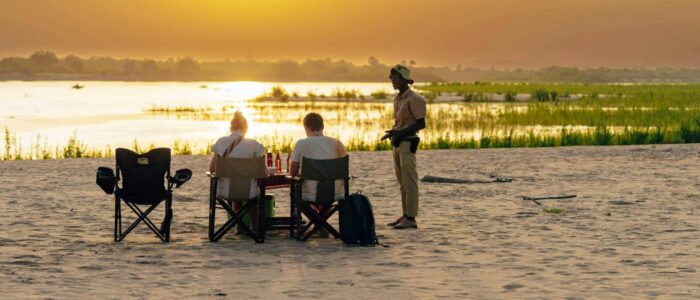
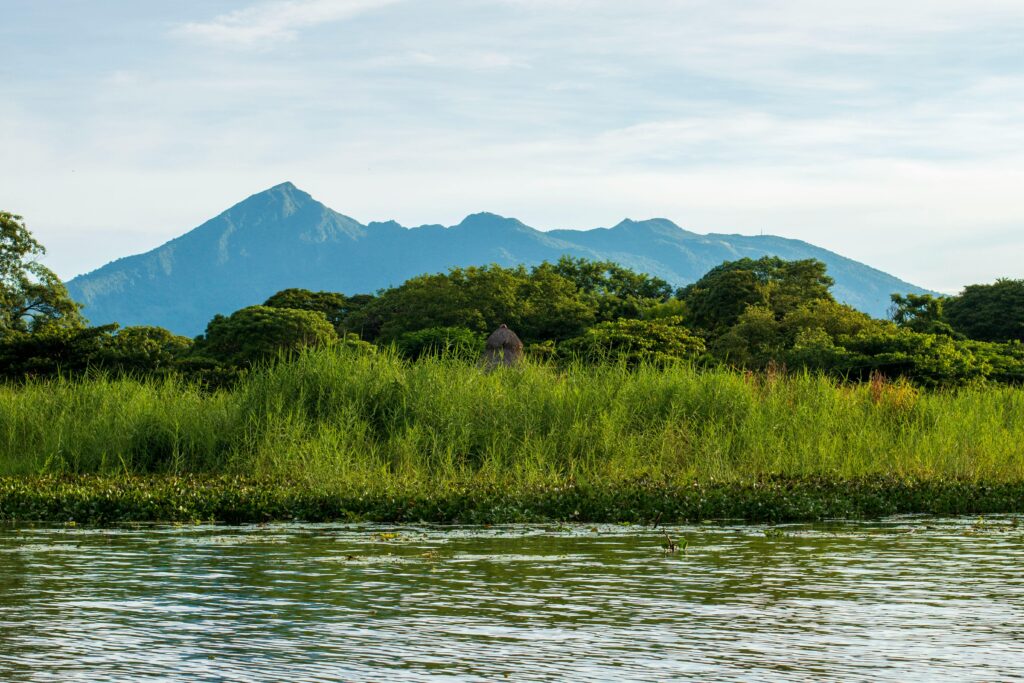
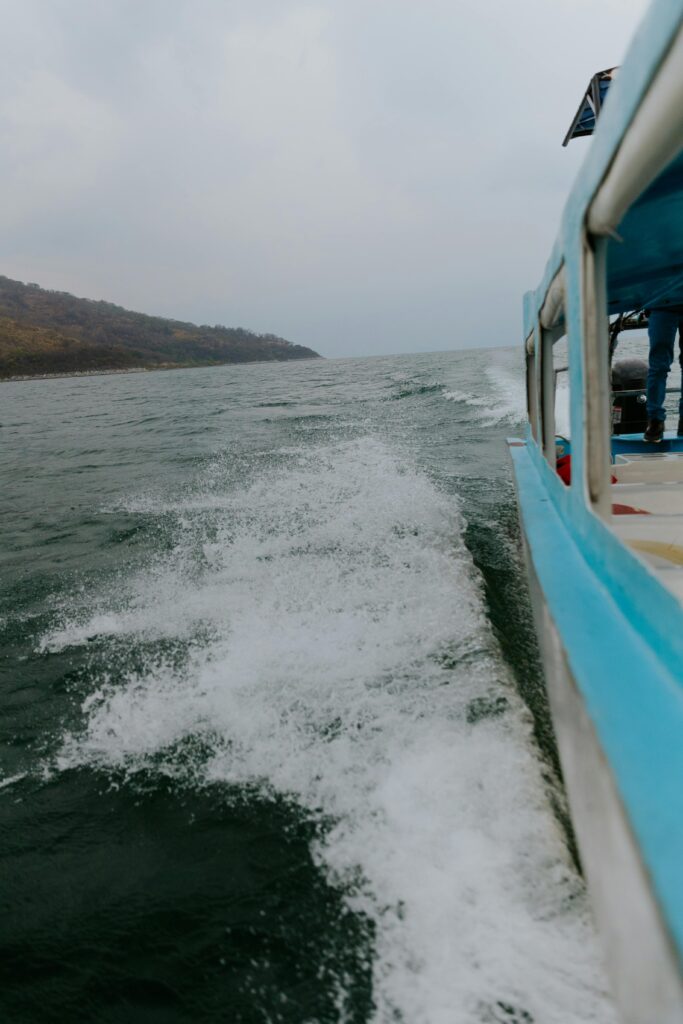
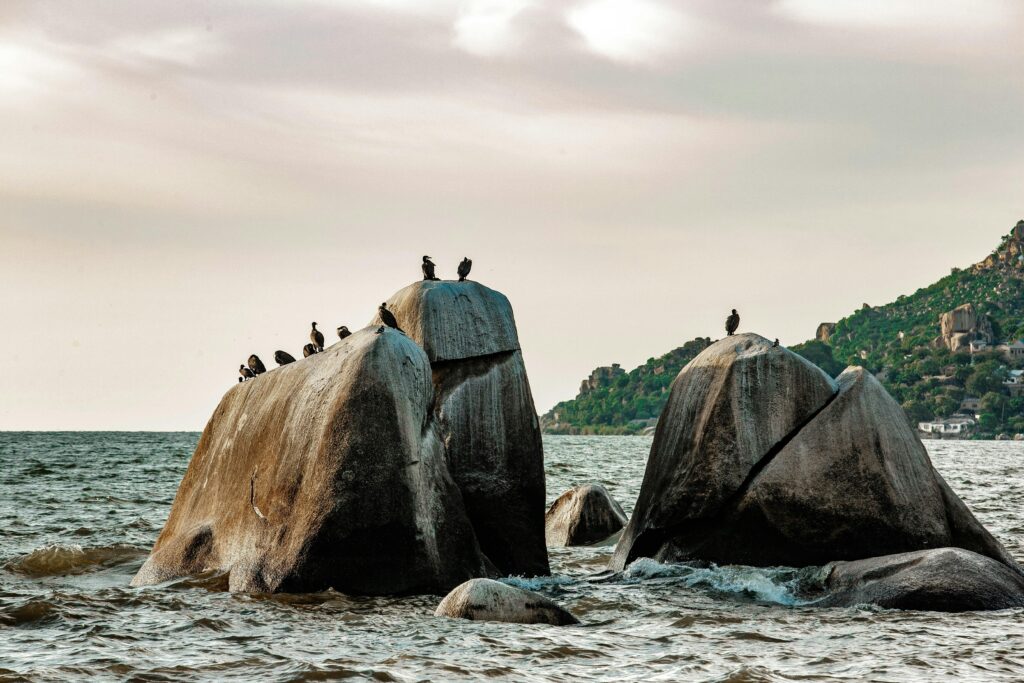
This longest and deepest lake in the world with magnificent views of the shores provides a unique visitors experience especially when carrying snorkeling or resting on the shores while watching aquatic birds and at sundown the red sky taking a thousand words.
Sand Beaches
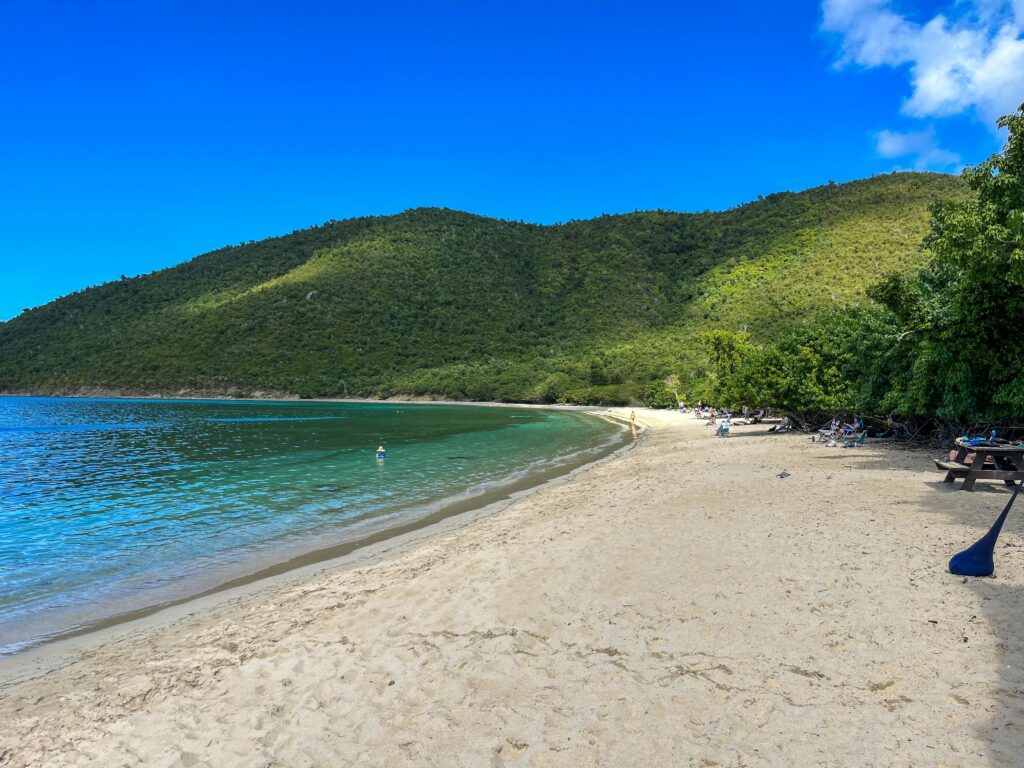
The shores of lake Tanganyika has a beautiful unspoiled beaches
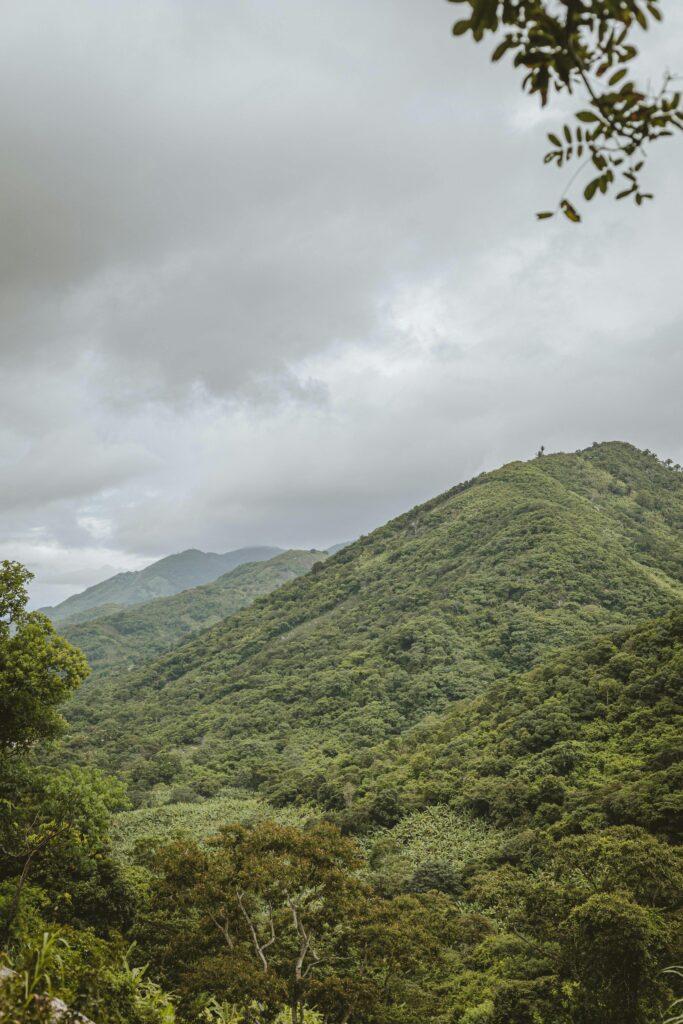
Mahale Mountain
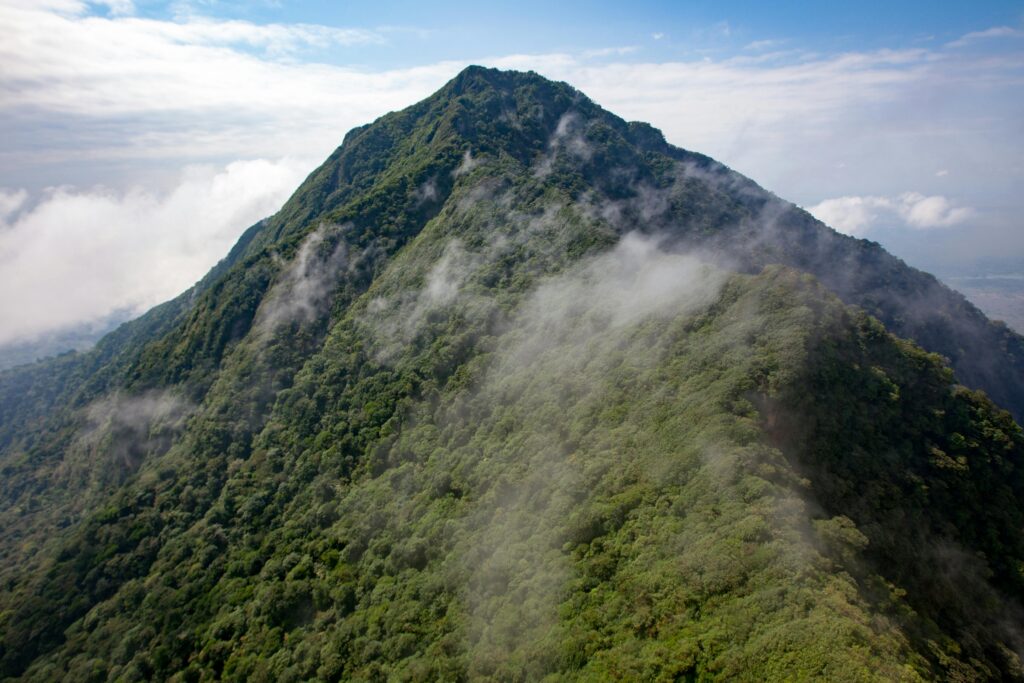
It takes about 5hours to reach the top and during the hike one can spot different wildlife which makes your journey unforgettable.
Ujiji Historical site
Ujiji is the oldest town in western Tanzania, located about 6 miles (10 km) south of Kigoma also known as Kavele. This was an Arabic settlement during the slave trade, used to be the terminus for the old caravan route from the coast.
Ujiji has also historical significance for explorers, it is a place where burton and speke first reached the shore of lake Tanganyika in 1858. And the place where Dr living stone met Stanley in 1871, a monument known as Dr. living stone memorial has been constructed to commemorate the meeting . there is a slave route near the market.
Near the shore of lake Tanganyika lies an ancient and traditional fishing market. At night when the lake relatively calm, visitors may enjoy the romantic site of softly lit lake.
Tourism Activities
Mahale Mountains National Park has activities that give visitors opportunities to enjoy its beauty. The Park will give opportunities to do Chimp trekking, Walking safari, Boat cruising, Sport fishing and Mountain hiking.
Chimp trekking
The chimpanzee trekking takes visitors on a wild adventure through the hazy forest. Sighting can vary between 30 minutes for the first sightings to up to 3 hours.
Walking safari
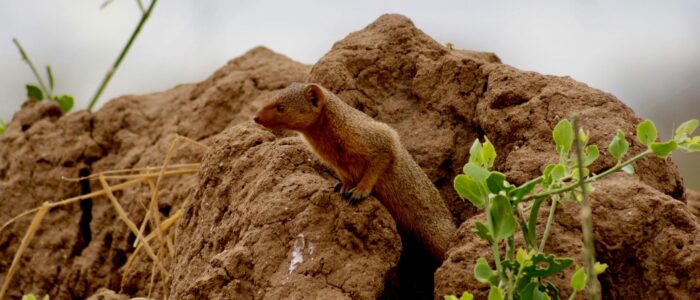
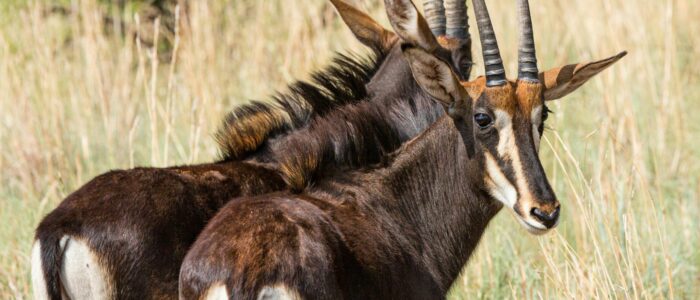
Mahale is not just about chimpanzee-trekking; it offers the perfect balance of wildlife viewing where animals like roan and sable antelope and mongoose is easily seen and also sometimes lion and leopard. The park offers short and long walks in the network of strategically positioned natural trails which provide a wide range of choice to visitors.
Boat cruising
This activity enable visitors get a chance to view a spectacular beauty of the lake and lake shore full of beautiful beaches, water birds, crocodiles, hippos, otters and plant species along the shores while enjoying the cool breeze from the lake.
Sport fishing
This thrilling recreational activity is conducted in Lake Tanganyika, in which there is great possibility of getting a big catch.
Mountain hiking
The highest point of the park ; Kungwe peak with an elevation of 2462m a.s.l provide visitors with a unique sense of physical challenge when climbing to the peak. It takes about 7–9 hours to and fro from the peak.
Other Tourism Activities
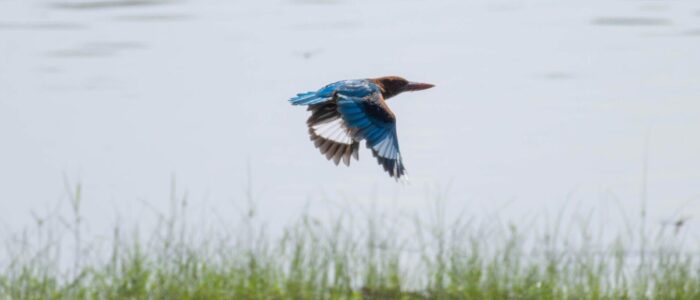
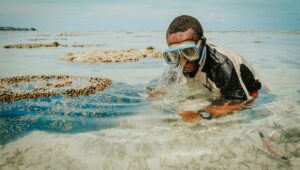
Other tourism activities offered by the park includes camping safaris, (wilderness and fly camping along the beaches), snorkeling, diving, kayaking and bird watching.
Accommodation Facilities
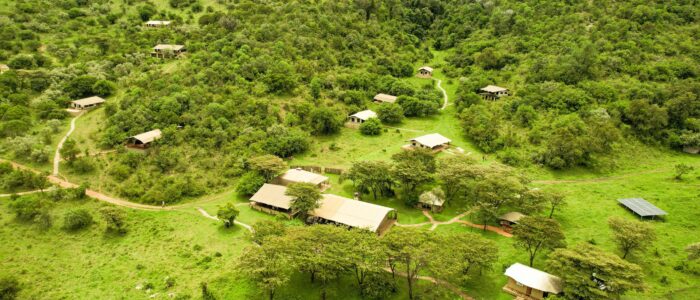
n the Park, there are various available accommodations ranging from TANAPA owned to private owned accommodations. TANAPA owns picnic sites, public campsites, special campsite and Bandas.
Park owned facilities
Bandas
There are five self-contained tourist bandas, each having two rooms with twin beds capable of accommodating four people. Kitchen facilities and cooking utensils are available.
Private and Public Campsites
The Park offers Public camp sites that are equipped with toilets, showers, kitchen and dinning area.
Private Owned Facilities
There are two operating luxury tented camp namely, GREYSTOKE CAMP with a capacity of 14 beds and is the oldest camp in the Park, owned by Nomad Tanzania Limited and KUNGWE BEACH PERMANENT CAMP with a capacity of 20 beds owned by Kigoma Hilltop Lodges and Safaris.
Visit Mahale Mountains National Park Today
Full Itinerary of Mahale Mountains national park
Mahale Mountains National Park starting from Moshi — one of Tanzania’s most remote and unique chimpanzee trekking destinations.
🐒 6–8 Day Itinerary: Moshi → Mahale Mountains National Park
Day 1: Moshi – Kigoma (Long Travel Day)
Depart from Moshi early morning.
- Travel options:
- ✈️ Flight to Kigoma (recommended, 2–3 hours total travel time)
- 🚐 Road via Tabora (very long, 18+ hours)
- Arrive in Kigoma
- Hotel check-in and rest
Overnight: Kigoma town
Day 2: Kigoma – Lake Tanganyika Boat Transfer
Early breakfast and transfer to Mahale departure point.
- Drive from Kigoma to boat station (2–4 hours)
- Start boat journey across Lake Tanganyika (5–7 hours depending on lodge)
- Scenic ride along one of the deepest lakes in the world
Arrival at Mahale lodge/camp in the evening
Overnight: Lodge inside or near Mahale Mountains National Park
Day 3: First Chimpanzee Trekking Experience
Early morning start with park rangers.
Activities:
- Trek into rainforest to locate chimpanzee groups
- Observe chimpanzee behavior in natural habitat
- Forest wildlife and bird watching
- Photography sessions
Afternoon:
- Relax at beach of Lake Tanganyika
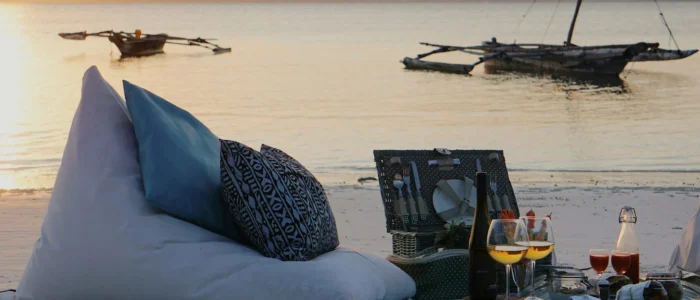
- Swimming and sunset viewing
Overnight: Lodge in Mahale
Day 4: Full Chimpanzee Tracking & Forest Exploration
Full day in the forest.
Activities:
- Second chimpanzee trekking session
- Explore deeper forest trails
- Learn about chimpanzee research projects
- Optional forest walking safari
Overnight: Mahale lodge
Day 5: Lake Tanganyika Experience Day
Focus on lake and relaxation.
Activities:
- Boat safari on Lake Tanganyika
- Snorkeling or swimming (safe areas)
- Fishing village visit (optional)
- Sunset at the lake beach
Overnight: Mahale lodge
Day 6: Final Safari + Return to Kigoma
- Morning short chimp trek or nature walk
- Boat transfer back to Kigoma (5–7 hours)
- Arrival in the evening
Overnight: Kigoma hotel
Day 7: Kigoma – Return to Moshi or Next Destination
- Flight back to Arusha/Moshi or Dar es Salaam
- End of safari or extension to other parks

Support work of Mahale Mountains National Park by visiting the park and see the wildlife that calls this place home. Visiting Parks help support local livelihoods and help protect wildlife for generations to come