Rubondo Islands National Park
The green pearl in blue waters
Welcome to Rubondo Island National Park
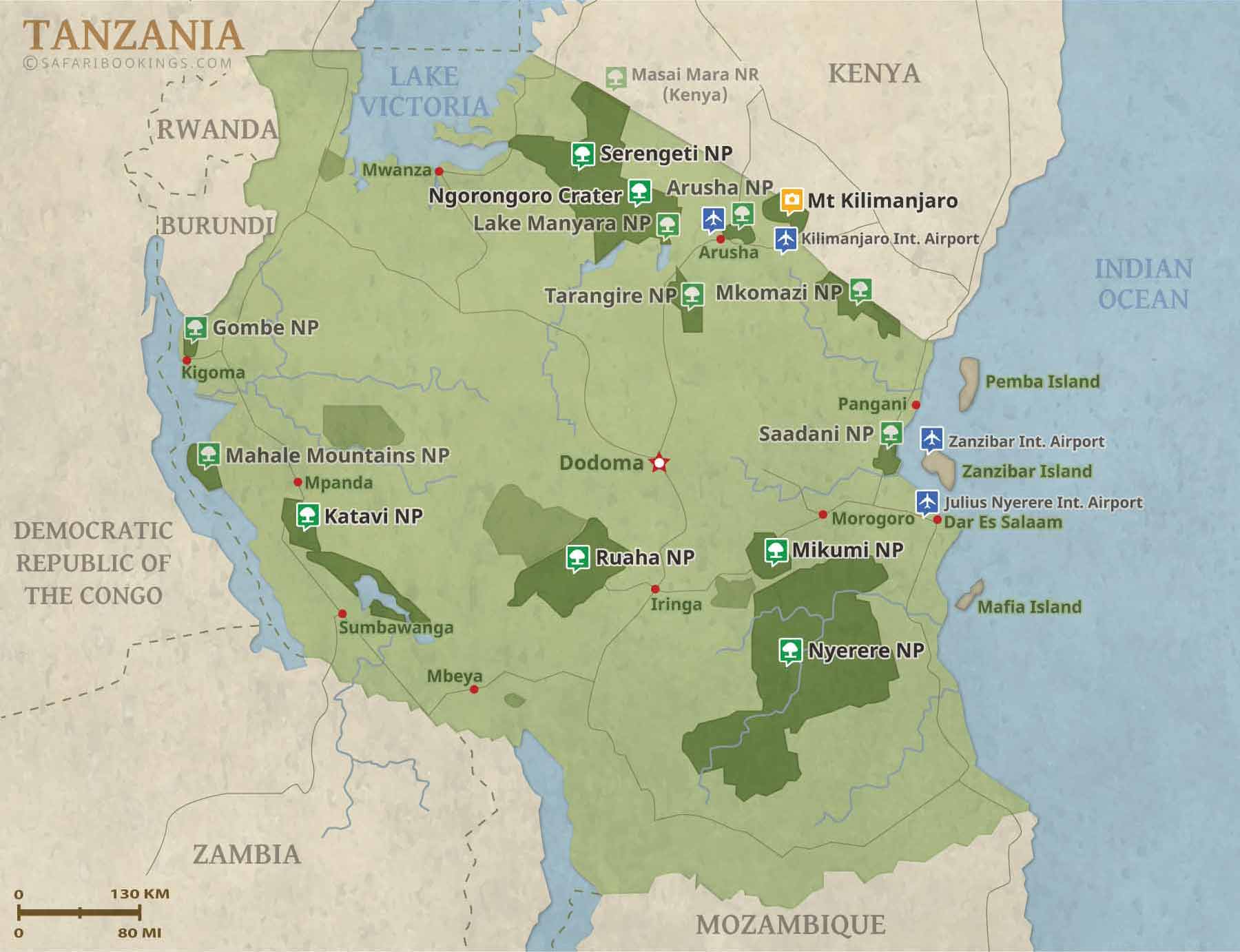
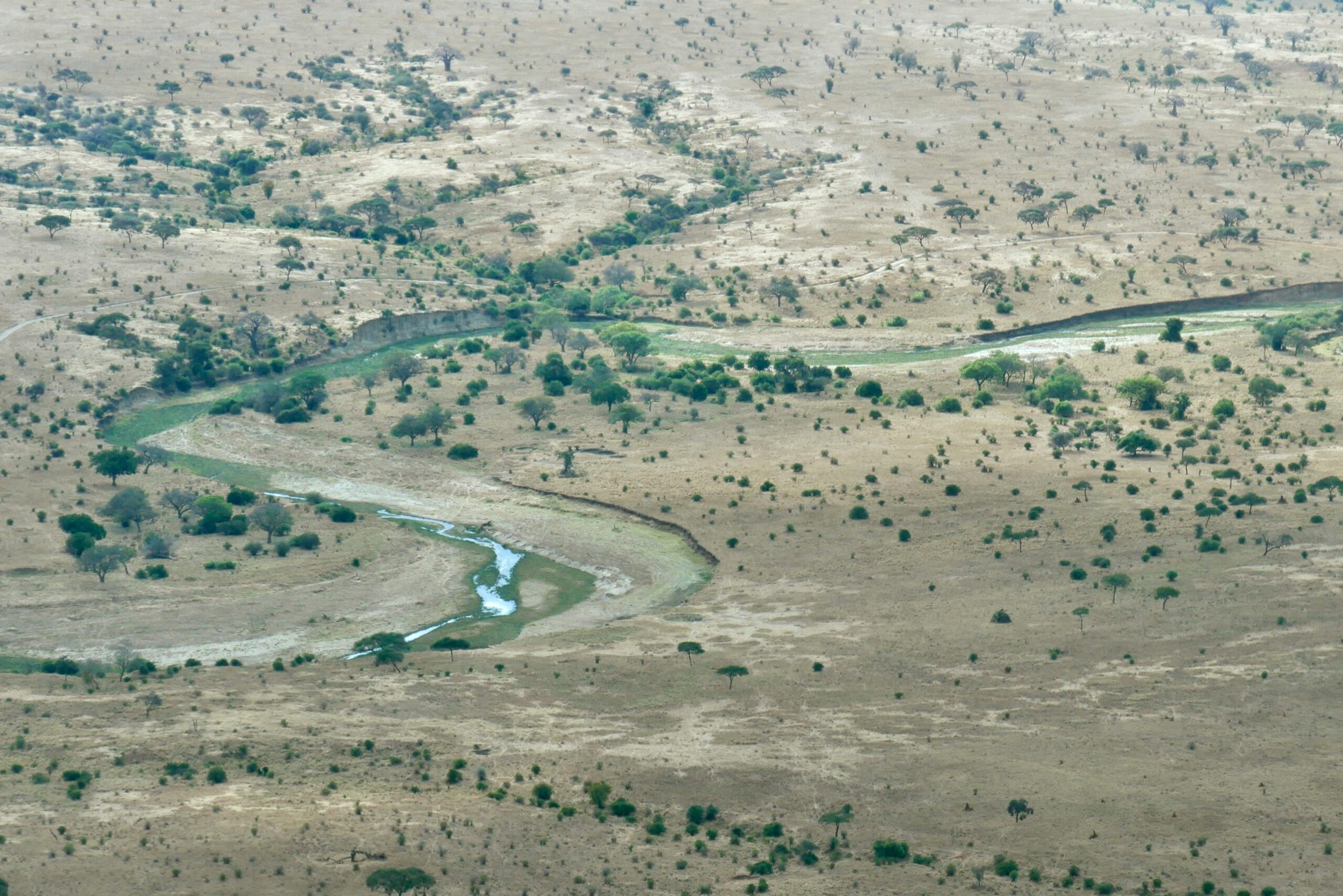
The park is located on the southwestern corner of Lake Victoria in Geita region about 150 km (95 miles) west of Mwanza. The Lake Victoria is the second largest lake in the world. The park has 456.8 km2 of which 236.8 km2 is dry land and 220 km2 is water comprising of 11 small islets of varying sizes.
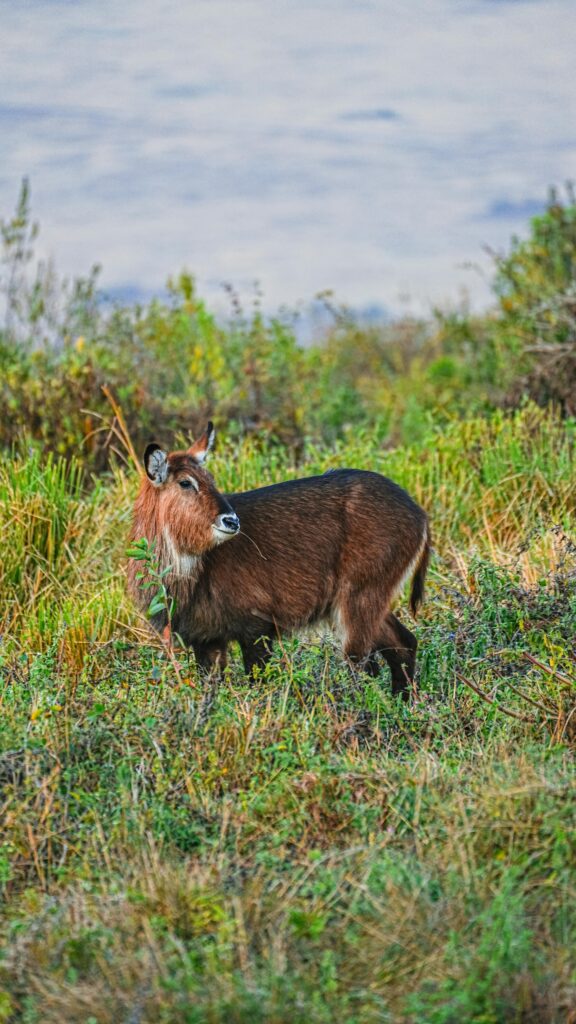
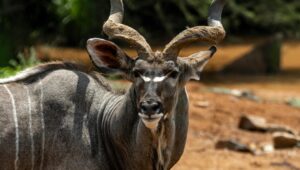
Statunga (Iconic animal of Rubondo National Park)
About 80% of the park is covered by a dense forest thus providing a variety of habitats for indigenous wildlife such as Sitatunga, hippos, bush bucks, velvet monkeys, genet cats, crocodiles, bush pigs etc sharing the ecological niches with the introduced species such as chimpanzees, elephants, giraffes, black and white colubous monkeys, suni and African grey parrots.
How To Get There
Rubondo Island can be reached by Air Chatters and Public transport & then boats to the park.
(A)By Air: Rubondo Island can be reached both by charter/air. Visitors who prefer to travel by air should in advance check with the tour operators in Bukoba, Mwanza, Arusha and Dar es Salaam for flight schedules.
(B) By public transport and Boat: By public transport leads you from Mwanza to Nkome via Geita town which is approximately 3-4 hours (164km) drive, 100km through a tarmac and 64 rough road. At Nkome Rangers post you can be picked by park boat and will take 1 hour to the park. Another route is Mwanza to Mganza through Bukoba road (270km – 5hrs), Biharamulo to Mganza through Chato – Bukoba road and from Bukoba to Mganza through Bukoba – Chato road. At Muganza you can take a taxi or motorcycle (5min) to Kasenda where Park boats are parking and there you will be picked-up by park boat and will take about 20-25 min to the park.
Note: Communication and transport arrangements should be done prior to park visit.
Best Time To Visit Park
The best time is from June through September and wet season from November to March when wild flowers are flourishing and plentiful of butterflies
For bird watchers is from December to February when most migratory birds are nesting
PARK ATTRACTIONS
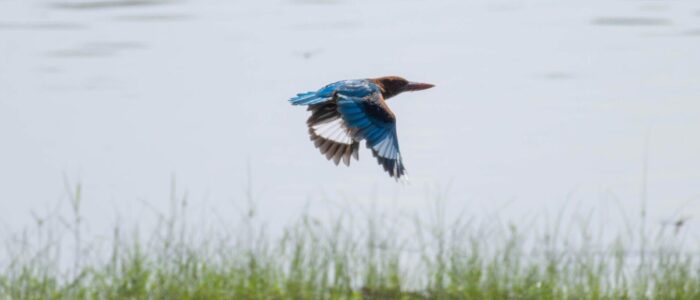
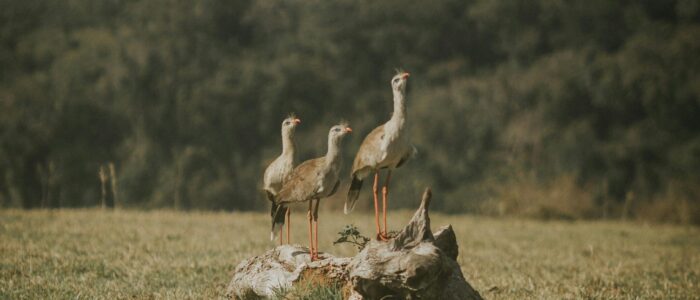
The park is bestowed with magnificent attractions that tourist can enjoy these include diversity of wild life including elephants, giraffes, bushbucks, hippos, yellow-spotted otters, crocodiles, chimpanzee, sitatunga and offers best fish breeding sites. other attractions are birds diversity with more than 400 species of nesting birds resides the park. The grey parrot, introduced in 2000 when 34 birds were rescued from illegal trade, is a spectacular newcomer. Another noisy specimen is the African fish eagle.
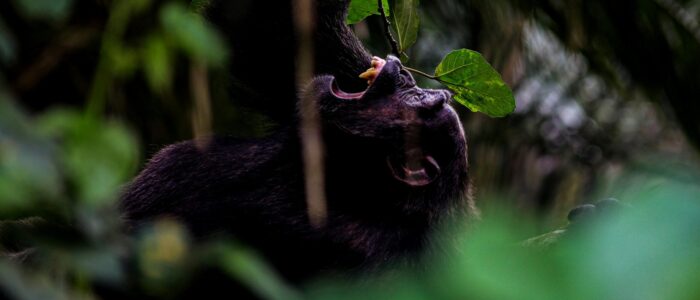
Chimpanzees – currently being habituated – few Chimps are now used for tourism Habituation Experience (CHEX). One can travel by car to Chimps’ areas and joining chimps’ habituation crew and be a part of habituators.
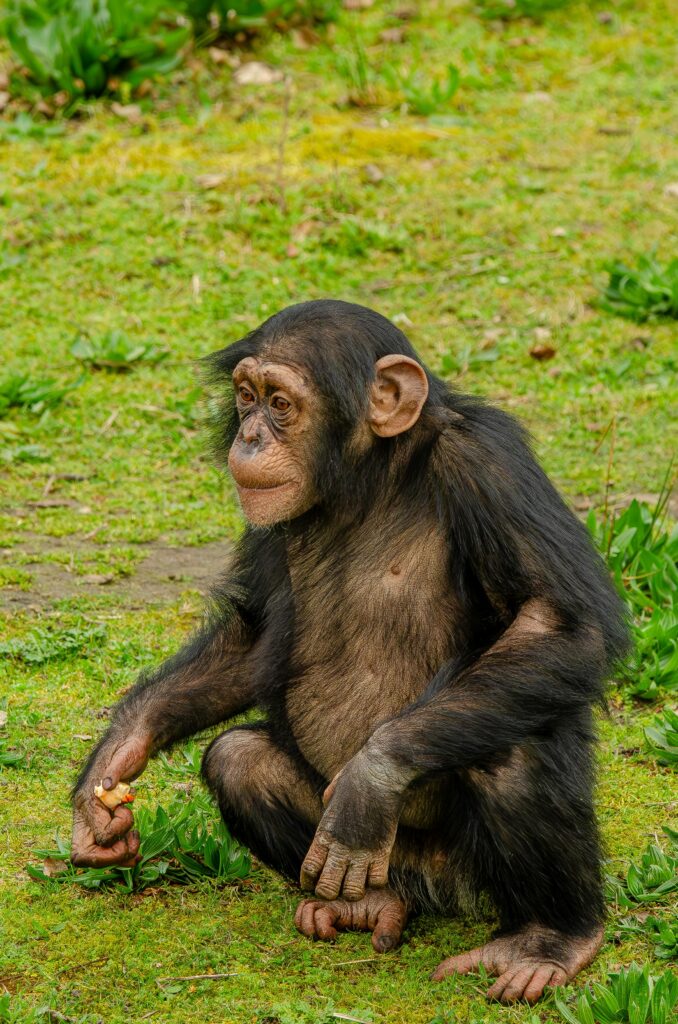
Chimpanzee
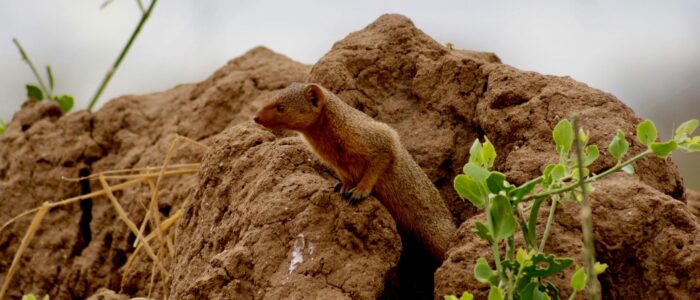
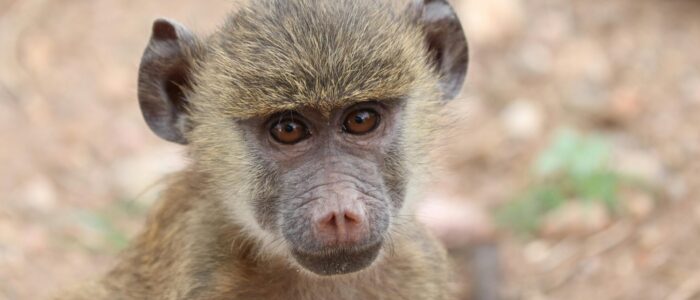
Other mammals: Other mammals that are frequently seen are Giraffes, Hippopotamus, Sported necked Otter, Bushbucks and Velvet Monkeys. Colobous monkeys, Genet Cats, Marsh Mongoose, Suni and Elephants.
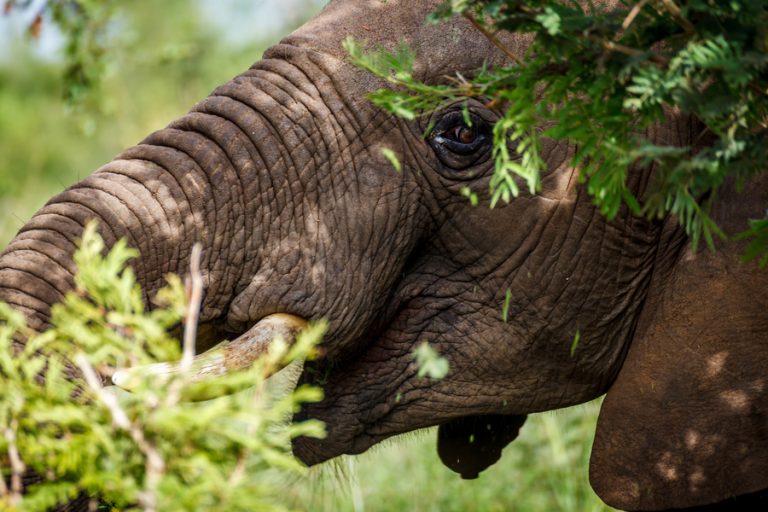
Elephant
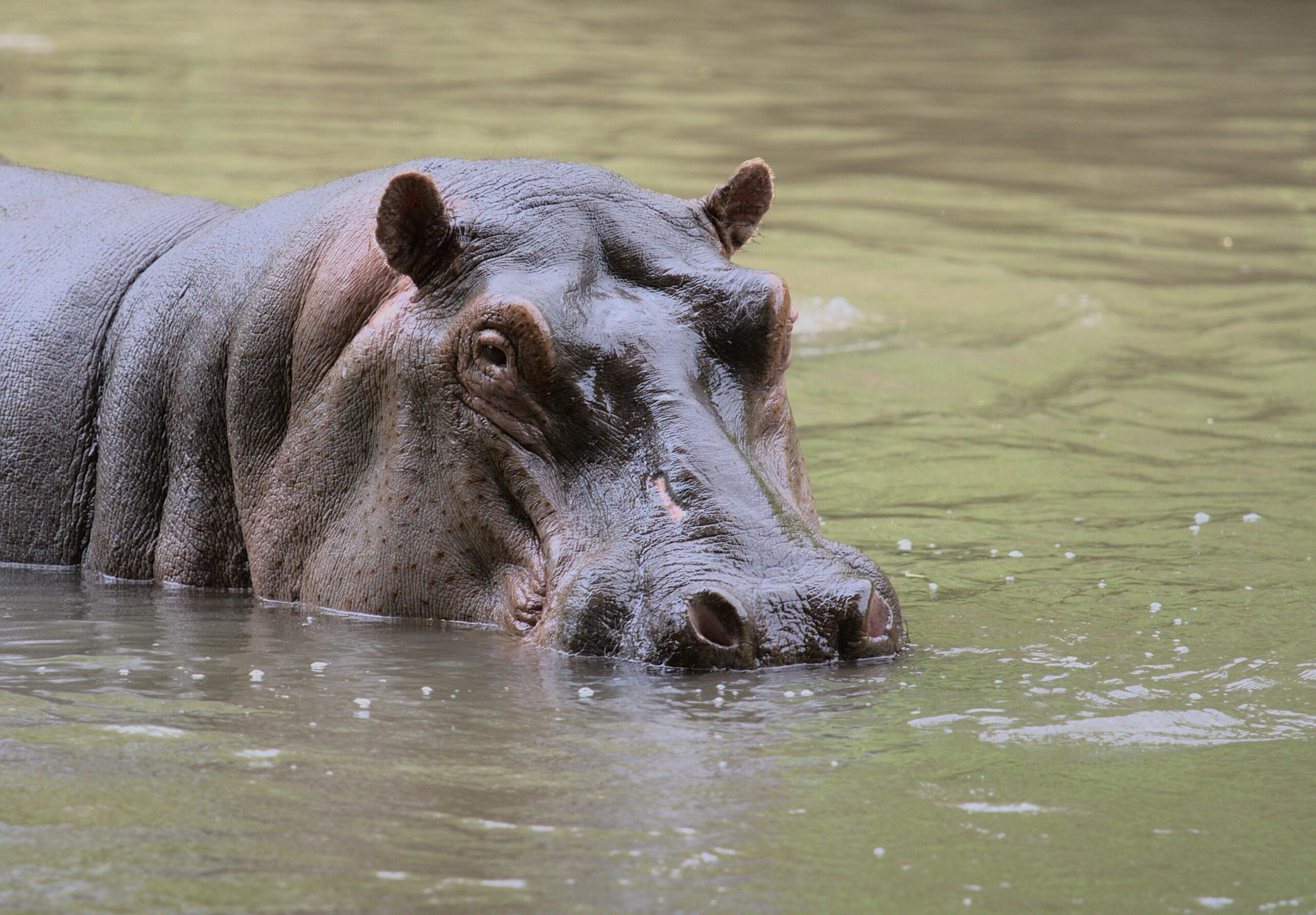
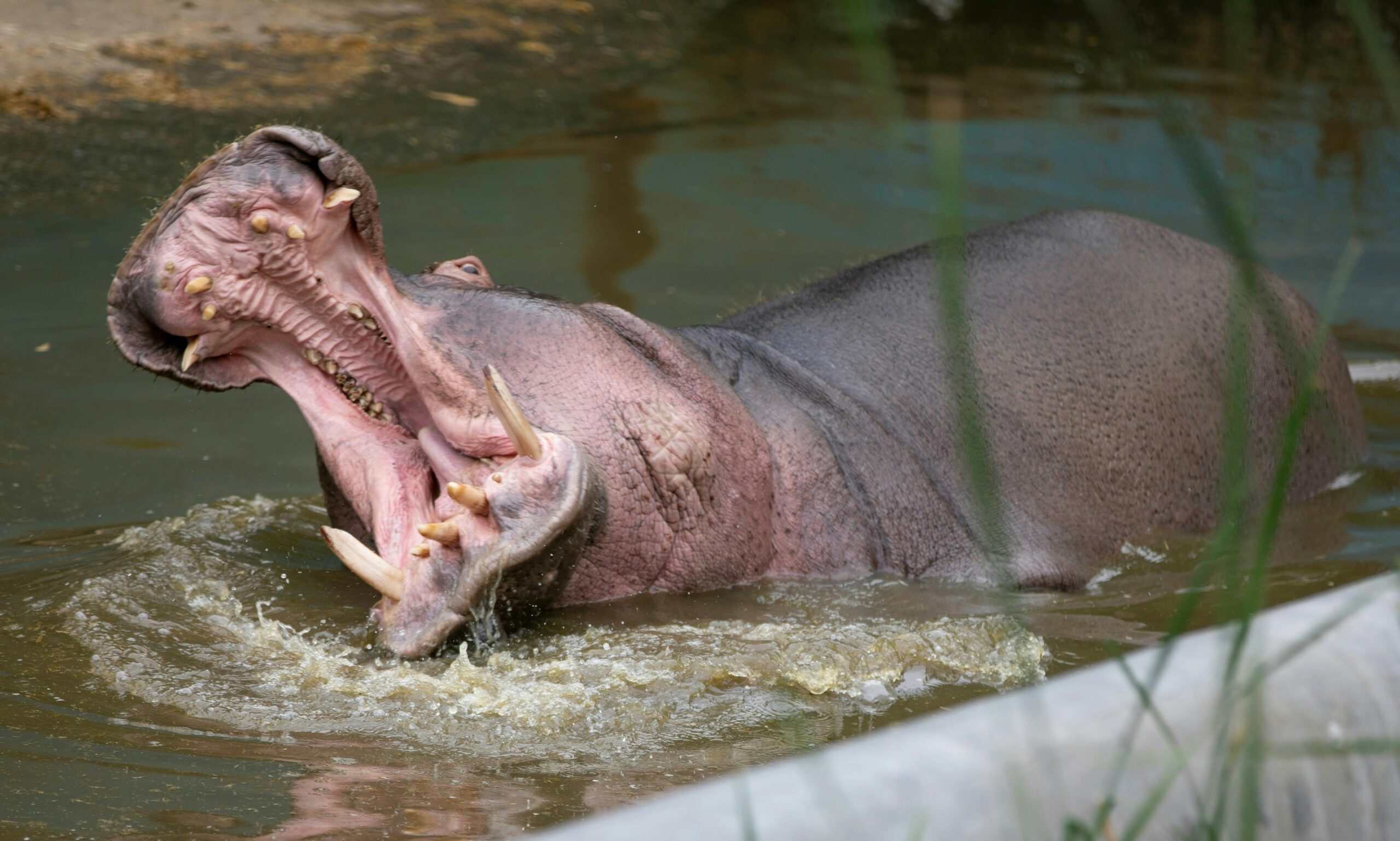
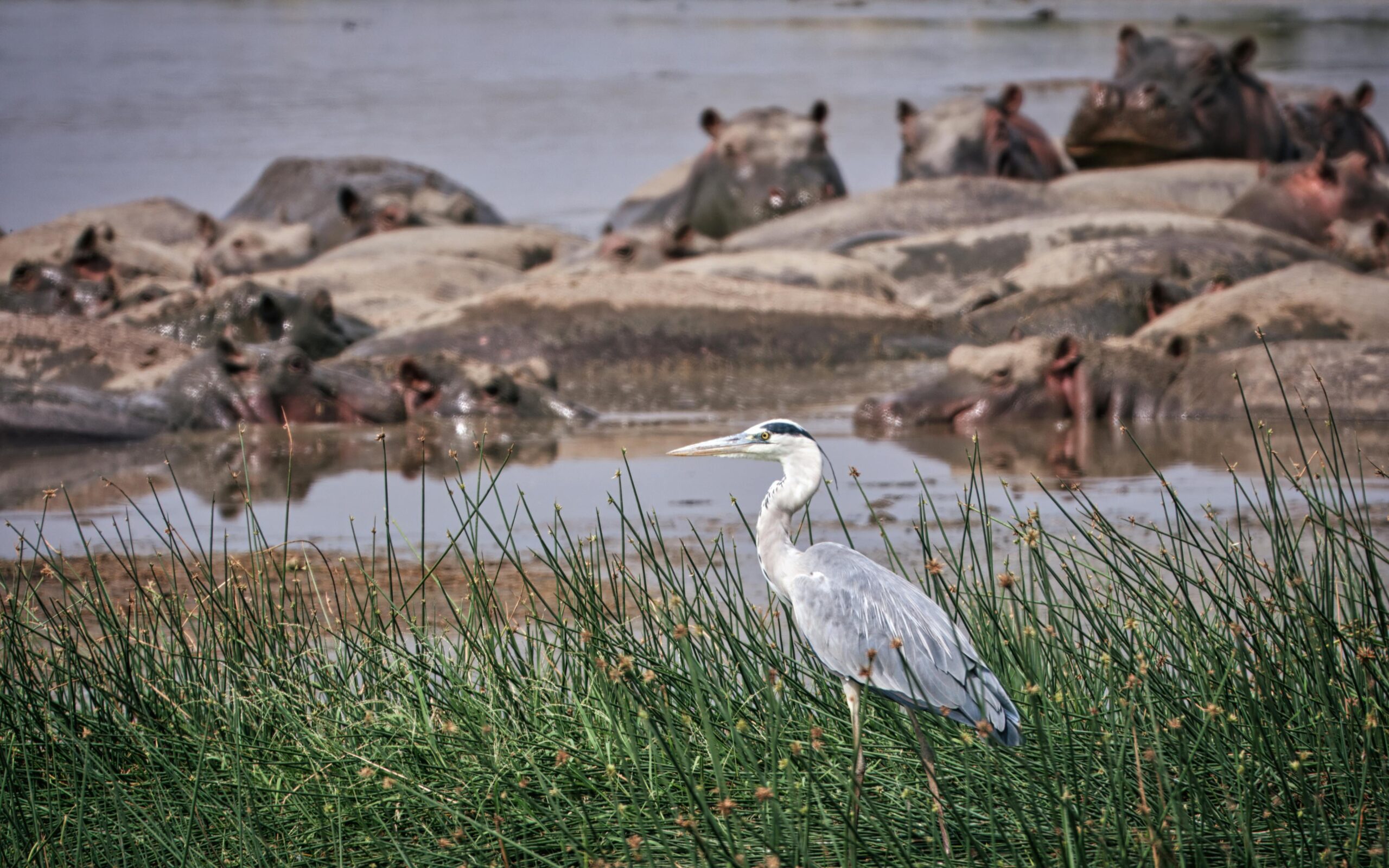
Hippopotamus
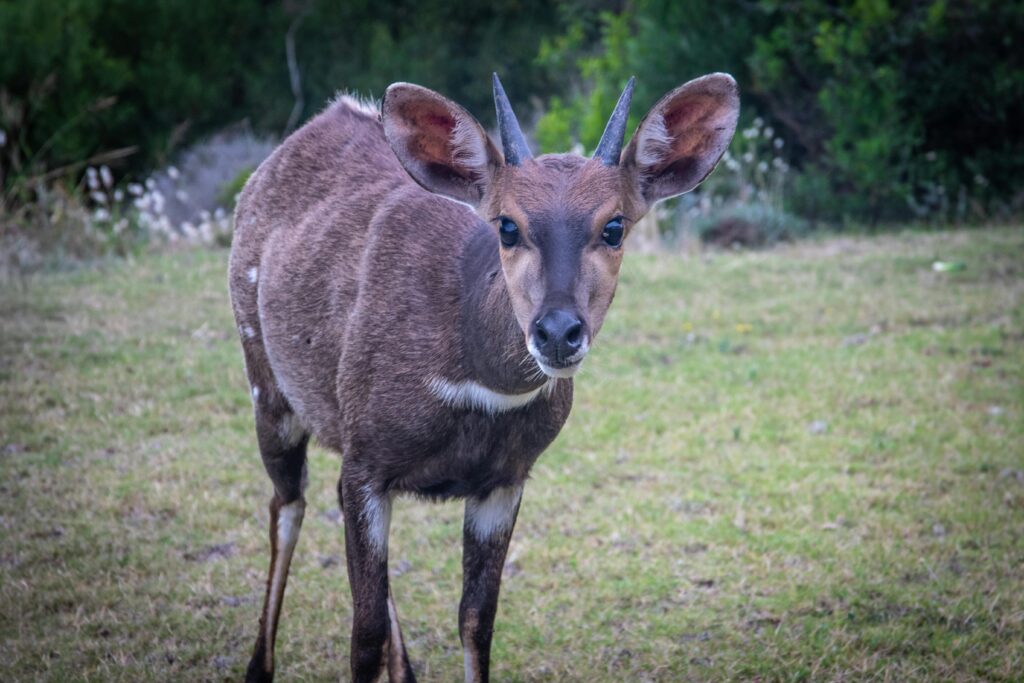
Bushbucks
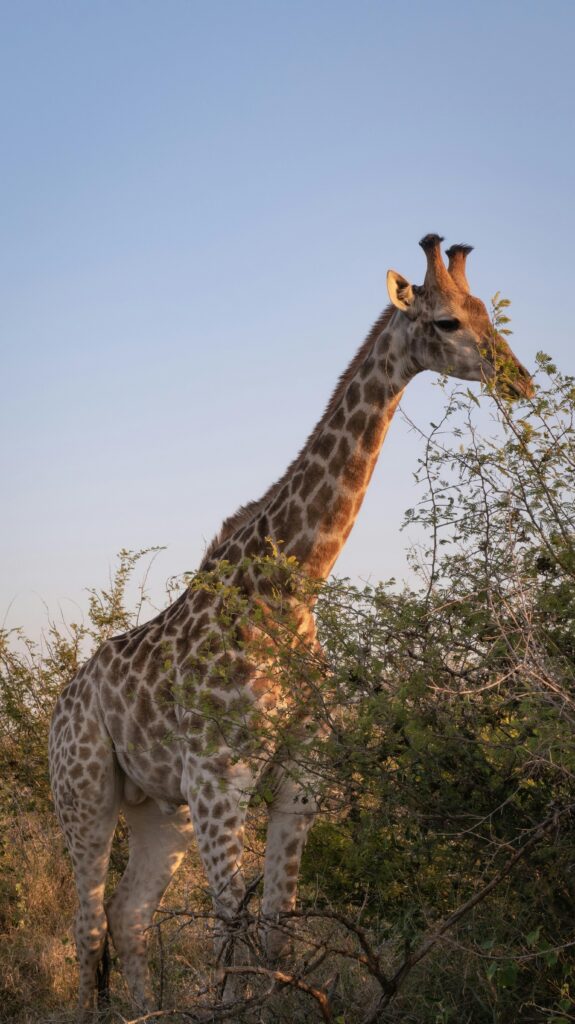
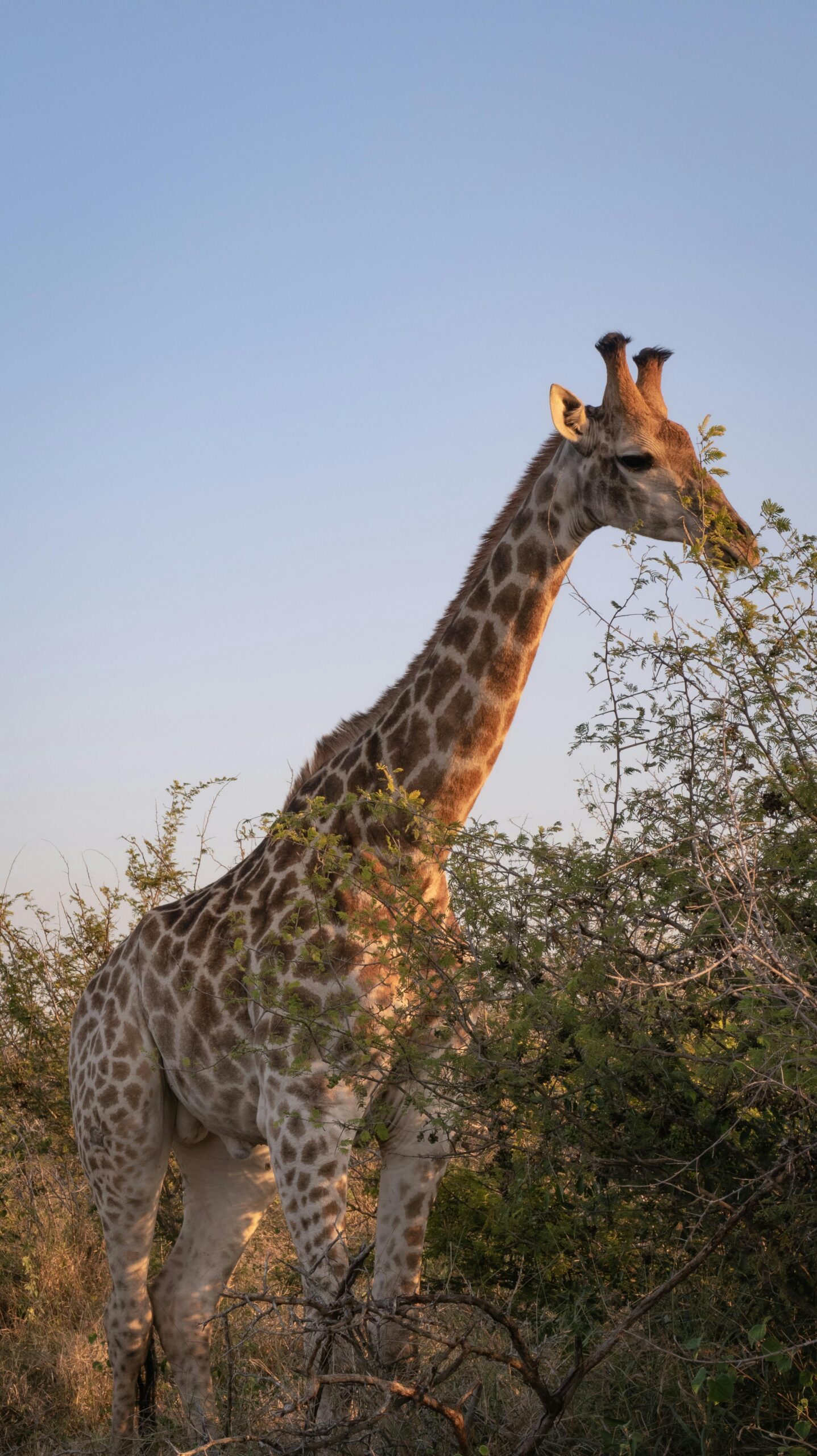
Giraffe
Magnificent view of evergreen dense primary lowland Congolese forest-More than 80% of Rubondo Island National Park is covered by an intense primary lowland Congolese forest. Thus providing a variety of wildlife habitats sharing the similar ecological niches such as elephants, giraffes, chimpanzees, black & white colobous monkeys, Suni, African grey parrots etc.
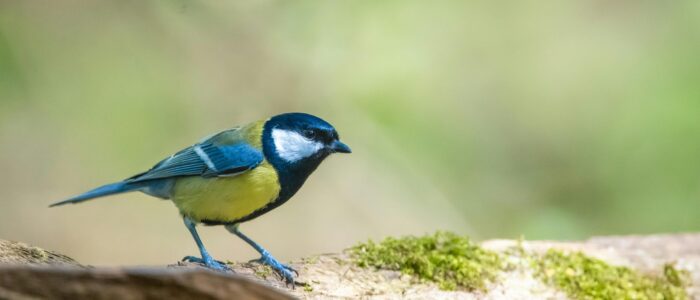
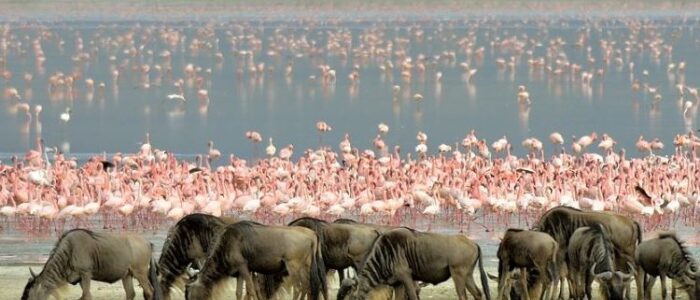
Variety of water birds at Birds’ Island: RINP is one of the sites with highest density and concentration of Birds in Tanzania. Also RINP provides best habitat for birds migrating between southern and northern hemispheres.
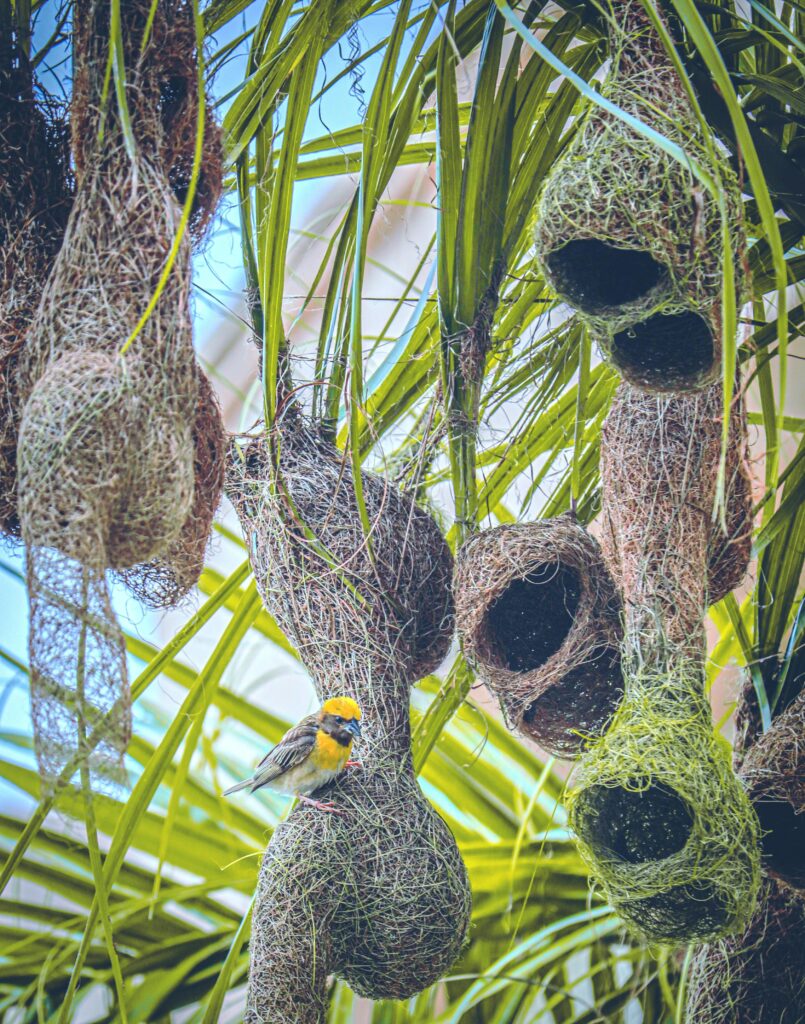
Birds Nesting
REPTILES
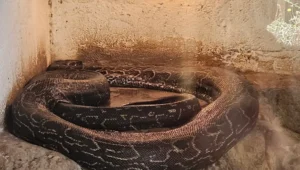
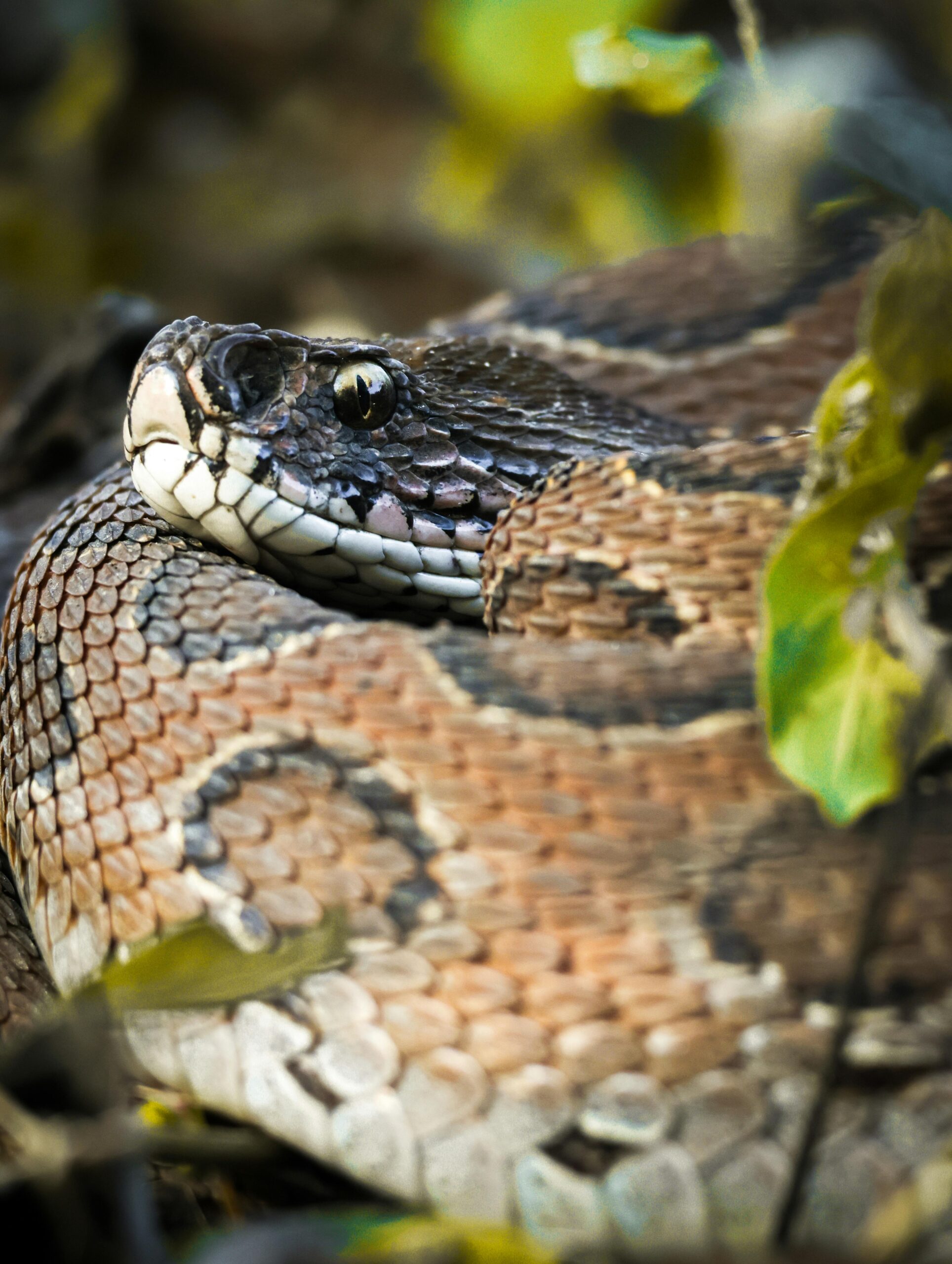
Variety of Reptiles: Reptiles such as snakes (pythons), monitor lizards and crocodiles: These are reptiles that found in the park but some are rarely seen. Most reptiles maintain their body temperature by absorbing heat from their surrounding and have bodies that change accordingly to local atmosphere that means they cannot control their own body temperature
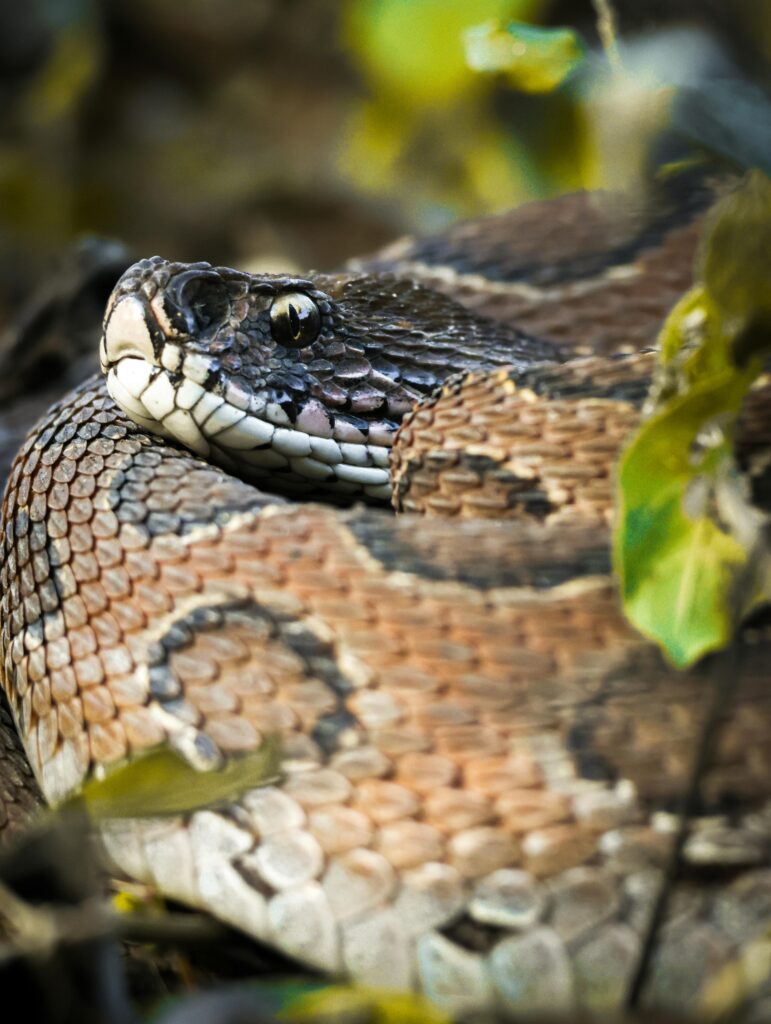
python
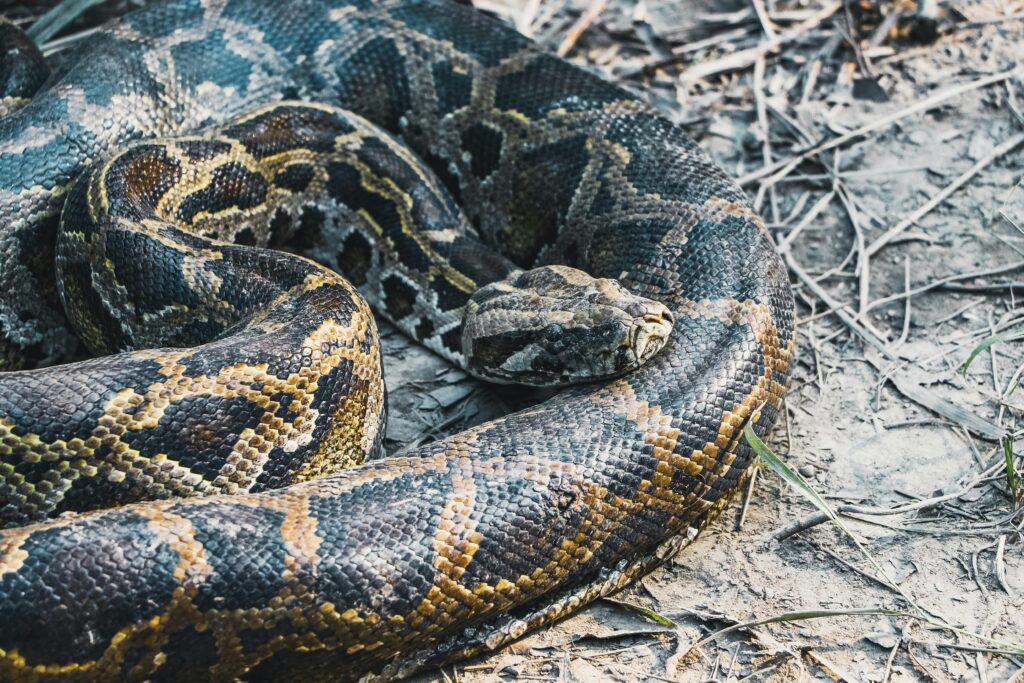
Python,(Chatu)
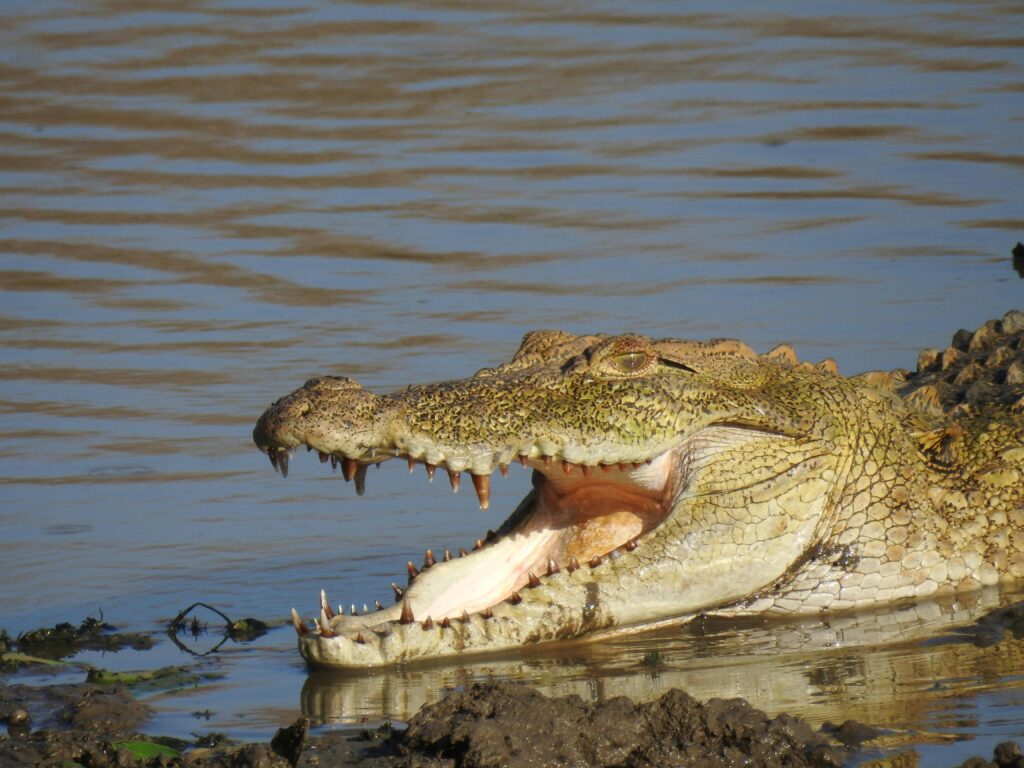
nile crocodiles
CULTURAL SITES
There are three main cultural sites Maji matakatifu, Ntungamirwe, and Alutare.
The famous Maji Matakatifu was historically used as ritual areas by Native Zinza who lived in Rubondo before the area was upgraded as a National Park. One example of rituals was to make women and men who did not have children to have children.
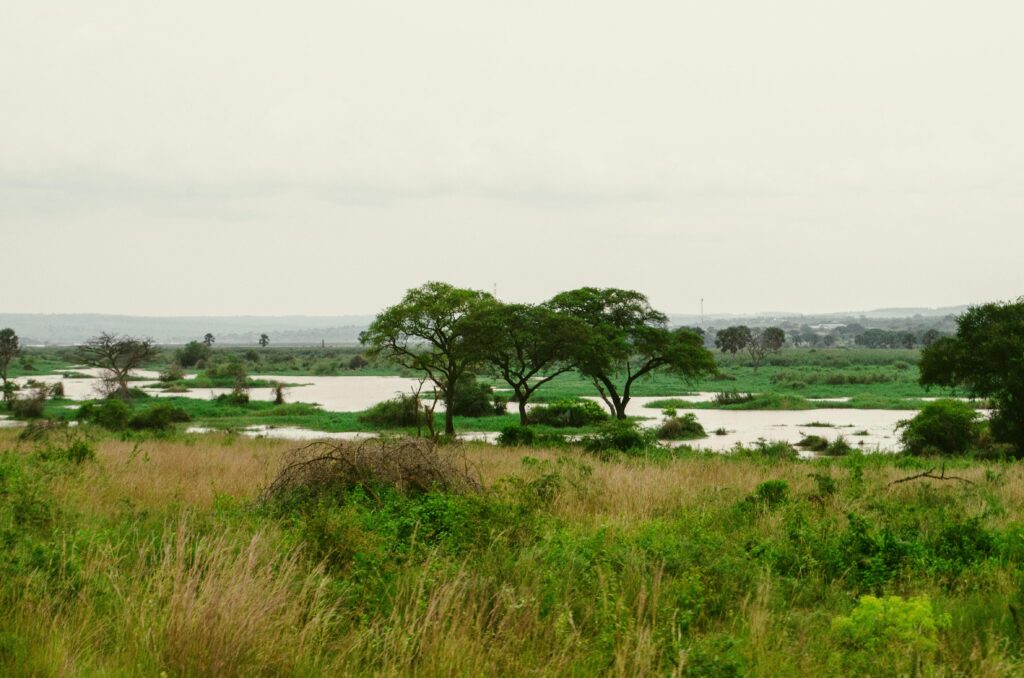
maji matakatifu(Holly Water)
Sacred Site Ntungamirwe
Near Kageye area, just beneath Pongo Viewpoint along the tourist trail, there is still visible and intact a sacrificial site, one of the most popular sacred site use by Native Zinza tribe for traditional and spiritual beliefs. The rock can be delineated from the surrounding rocks due to its white coloration.
Alutare
This is an important historical site, used during wars with enemies of the Banyarubondo. Enemies included Baganda people from Uganda, who attacked them especially after the harvest season to steal cereals. The natives hid in karobhela caves at Alutare during the wars. The natives like to compare this entrance with an entrance into a cathedral. This is why the whole area was named “Alutare”, which means “altar”.
FOREST AND BEACHES
Magnificent view of evergreen dense primary lowland Congolese forest-More than 80% of Rubondo Island National Park is covered by an intense primary lowland Congolese forest. Thus providing a variety of wildlife habitats sharing the similar ecological niches such as elephants, giraffes, chimpanzees, black & white colobous monkeys, Suni, African grey parrots etc.
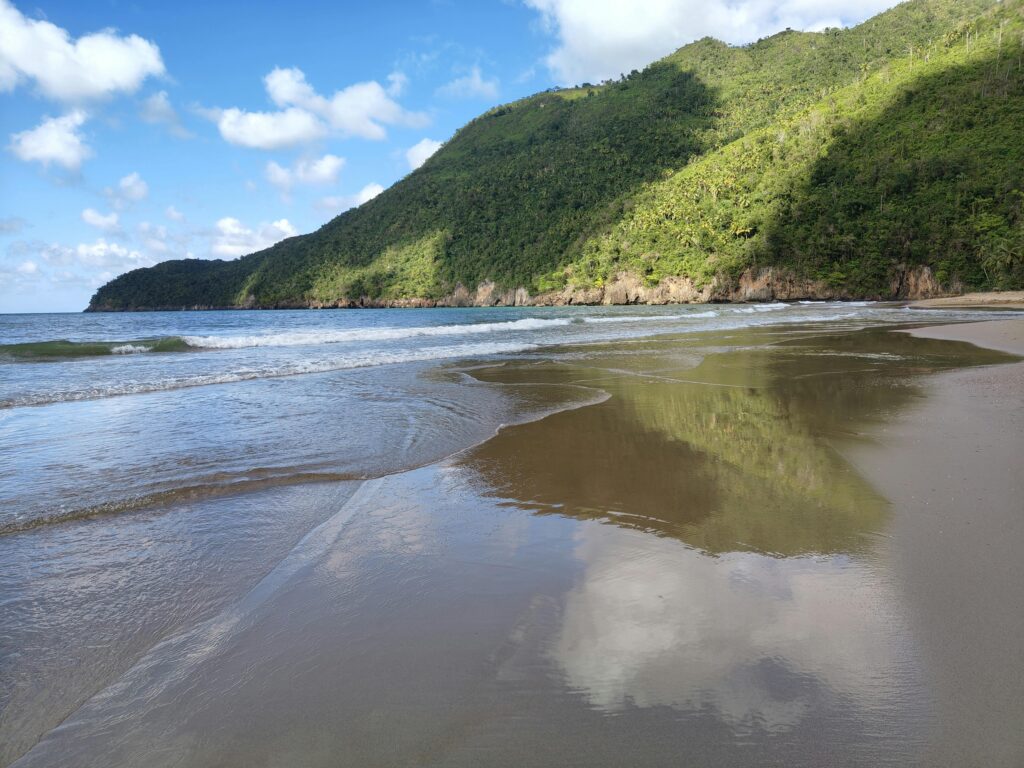
Beautiful beaches such as Michungwani and Michikoko:The Island has every type of imaginable beaches; white sand, gravel and stones and shorelines popular for visitors watching wildlife and enjoying the Lake breeze. Also beaches are frequently visited and inhabited by wildlife such as hippos, crocodiles and elephants, white necked Otters etc
SCENERY
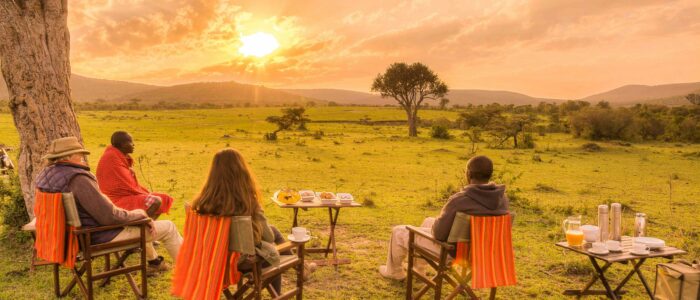
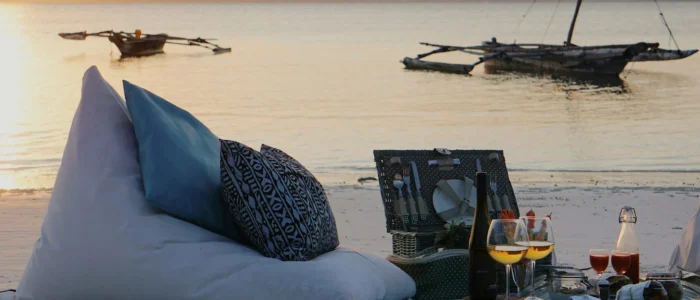
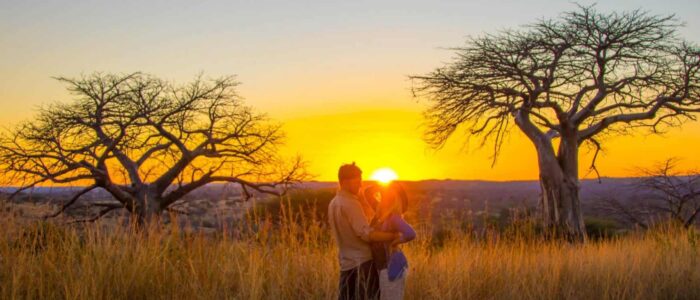
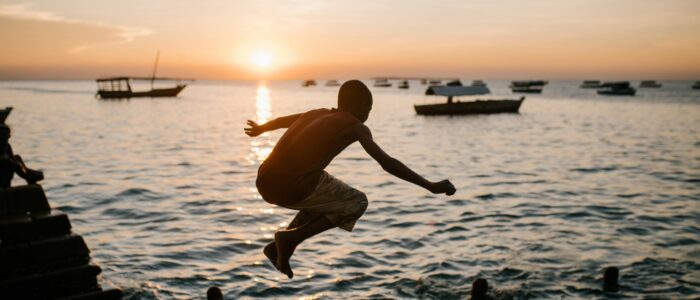
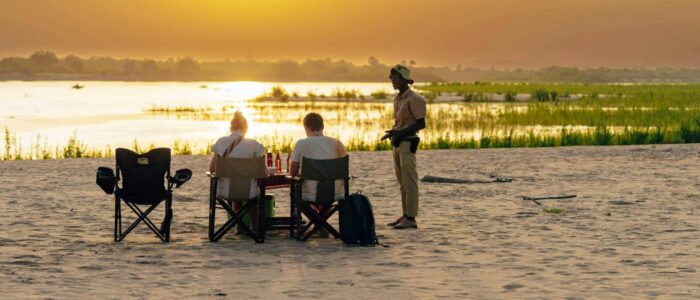
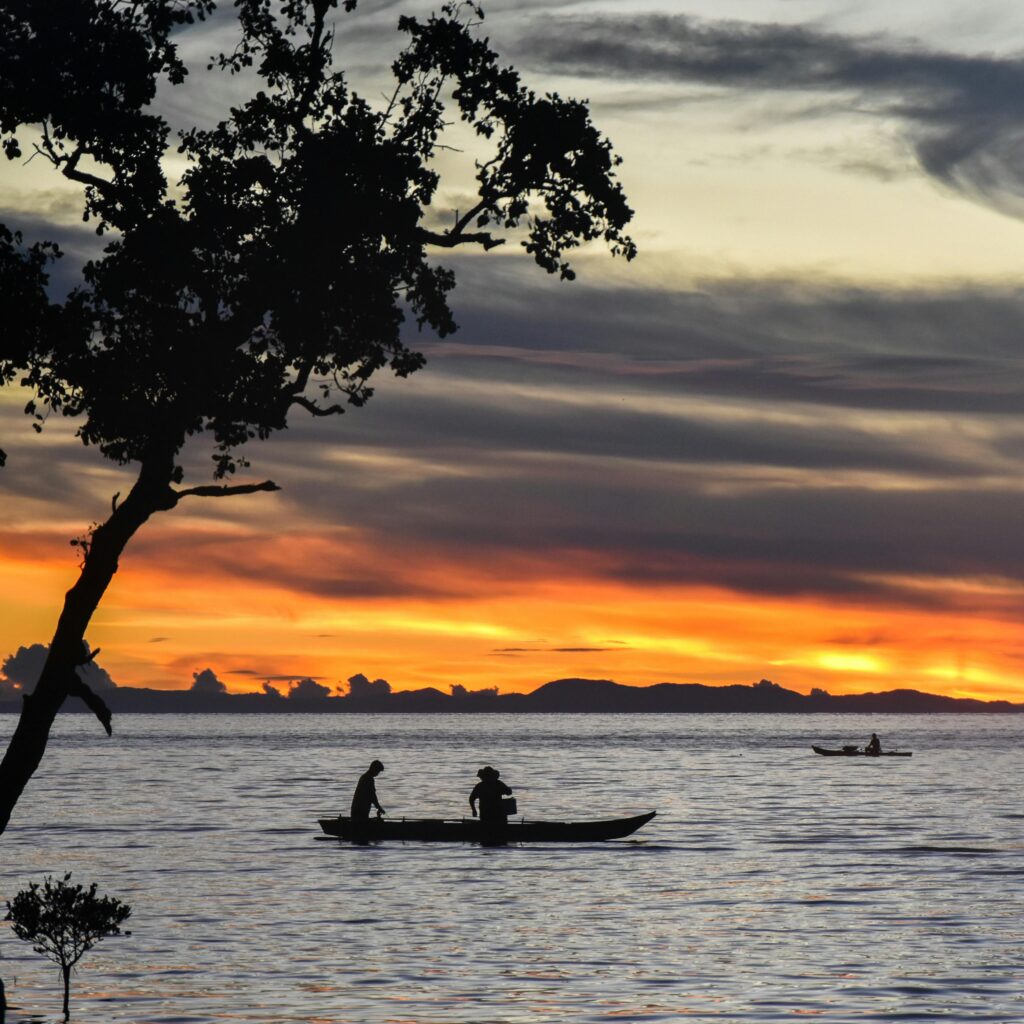
Rubondo island, is a place you can relax in two minutes. This is due to its natural beauty and calmness. Is a place you can enjoy colorful sunrise and sunset while listening to bird songs.
Tourism Activities
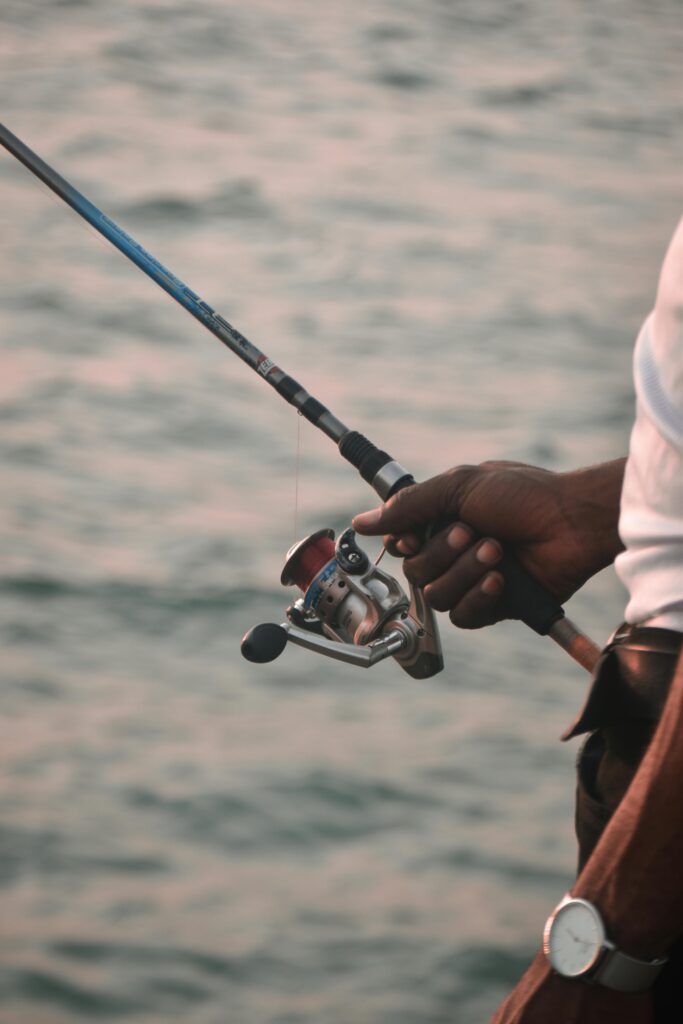
Sport Fishing
It is the most exciting recreational activity in which there is great possibility of getting a big catch to make a wonderful and challenging record of catches among others.
Boat Excursions
one can view a spectacular beauty of the island, beaches, variety of water birds, crocodiles, amongst the deepest point in the Lake Victoria “Irumo”, hippos, otters, plants species along the shores as well as enjoying the cool lake breeze.
Walking Safaris
(Short and long) up to 4 hrs and above depending on the requests – One can enjoy seeing animals such as suni, mongoose, genet cats, monkeys, bush pigs, sitatunga, bush bucks etc. Also, reptiles, orest birds, viewing the lake & shores etc.
Game Viewing
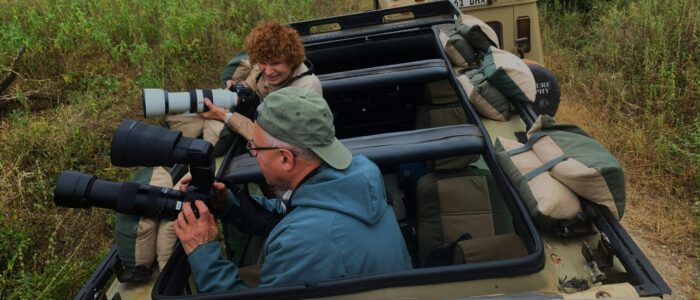
There is a possibility of watching big game such as elephants, giraffes and other mammals, reptiles, amphibious and variety of forest birds.
Chimps Habituation Experience(CHEX)
One can join Chimps habituation crew to experience how chimps are habituated in their nature state without using any artificial means of attracting them to humans (e.g. feeding, playbacks, etc.)
Canoeing
Canoeing is one among recreational activity on Lake Victoria with aim of diversifying activities in park. The activity involves paddling a canoe and is done as or as a part of a sport
ACCOMODATION
Inside the Park
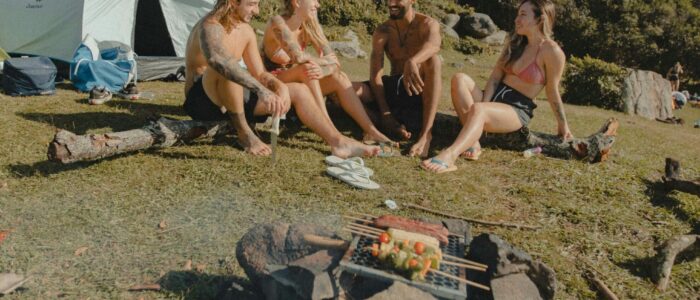
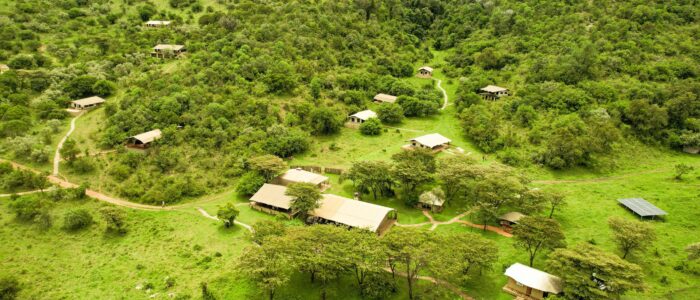
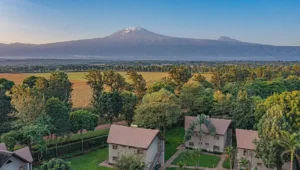
The park owns self catering and self contained visitor 5 bandas and a rest house but not exclusive for families, while at times providing camping site for visitors with tents or offering tents.
NB: Advanced bookings are always done through the provided contacts at Okapi Expedition
Outside The Park
Also there is variety of accommodation facilities available outside the park at Muganza centre and Chato District.
FACILITIES
Tourist Boats and Docks
The park has 3 boats for Lake Excursions, Sport fishing and transport to and from the park; all varies in passenger’s carrying capacity up to 18 passengers.
There 1(one) dock used to serve the Park visitors to and from the park for tourist activities
43 km tourist trails
The park visitors use 18 km of designated trails for short and long walk safaris and 25 km for Chimpanzees habituation Experience (CHEX) both leading tourists to different attractions and recreational sites in the park.
Pongo View Point
Area around this point is mostly frequented by bushbuck and view points of the Lake Victoria, beaches and a part of the Lake “Irumo” can be clearly see and felt. Also you can see the beauty of natural habitat of the plant species forming an evergreen mixed forest thicket community.
Maji Matakatifu View Point
Most animals frequently observed around here are Hippopotamus, Crocodiles, Sitatunga, Bushbucks, Monitor Lizard and infrequently Elephants; also beaches and a view point of the Lake Victoria and beauty scenery of an evergreen mixed forest thicket community
Mamba View Point
Is a view point of a thick and an intact forest which covers almost all the dry land areas within the park. In this thick forest, one still observes rare tree species including Milicia excelsa, Olea hochstetteri and Entandrophragma bussei. In addition, different orchid species have been reported to occur in this area.
Rubondo AirStrip
The park has 1 Airstrip close to the park headquarters at Kageye that can handle light aircrafts. Visitors who prefer to travel by air to Rubondo Island National Park should in advance check with the tour operators in Bukoba, Mwanza, Dar es Salaam and Arusha for flight schedules.
Roads and tourist circuits
Visitors used existing 118km of roads to and from different park attractions; to and from Chimps’ areas – Masekela & Kameya, game viewing circuits and transport to and Mlaga, Lukaya and Airstrip visitor entry points.
MLAGA CAMPSITES
Mlaga Public Campsites
Visit Rubondo Island National Park
Rubondo Island National Park
3 Days Rubondo Island Safari Itinerary
From Moshi / Arusha (Fly-in Safari)
✈️ Day 1: Moshi / Arusha → Rubondo Island
- Morning transfer to the airport
- Scenic flight over northern Tanzania to Lake Victoria
- Arrival at Rubondo Island National Park
- Meet your guide and transfer to lodge/camp
Afternoon:
- Relaxation or short guided forest walk
- Optional boat safari along Lake Victoria
Evening:
- Sunset views over the lake 🌅
- Dinner and overnight at lodge/camp
🐘 Day 2: Full Day Exploration – Wildlife & Nature
Morning:
- Early breakfast
- Guided walking safari in the forest
- Chance to spot:
- Elephants
- Giraffes
- Situtunga antelope
- Chimpanzees (rare but possible)
- Chance to spot:
Midday:
- Return to lodge for lunch and relaxation
Afternoon:
- Boat safari or fishing experience on Lake Victoria
- Bird watching (over 300 species 🐦)
Evening:
- Sundowner by the lake
- Dinner and overnight
🛫 Day 3: Rubondo → Return to Moshi / Arusha
- Breakfast at the lodge
- Transfer to airstrip
- Flight back to Arusha
Optional:
- Continue to Serengeti National Park or Ngorongoro Crater for extended safari

Support the work of Rubondo National Park by visiting the park and seeing the wildlife that call this place home. Visiting parks help support local livelihoods and help protect wildlife for generations to come.