About Ngorongoro Crater
The Ngorongoro Crater is the world’s largest intact volcanic caldera and one of Africa’s most famous wildlife destinations. Formed millions of years ago after a massive volcanic eruption, it now forms a natural enclosure that protects a unique ecosystem filled with wildlife.
Destination Descriptions
Attractions for Tourists:
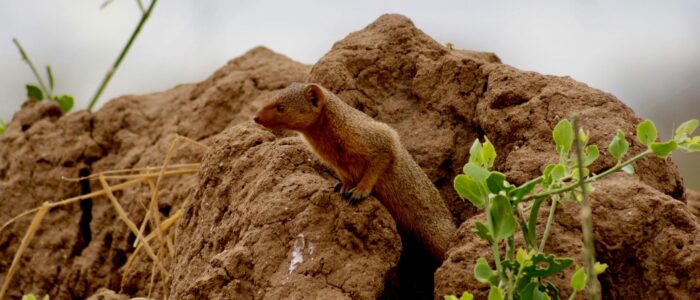
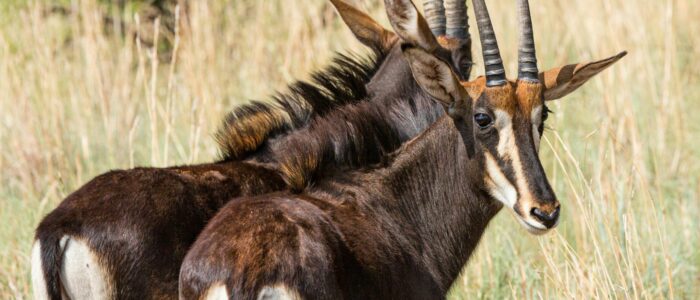
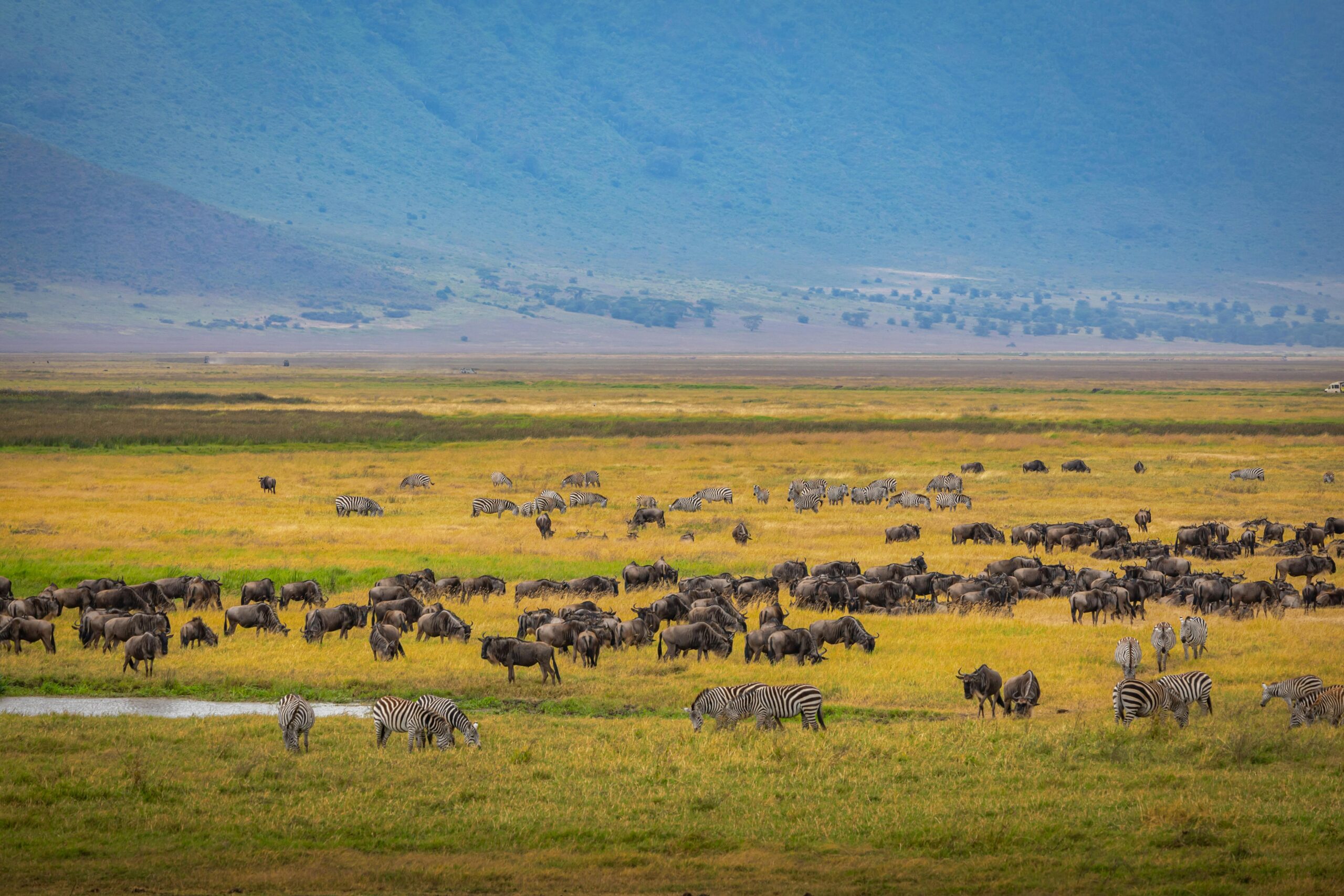
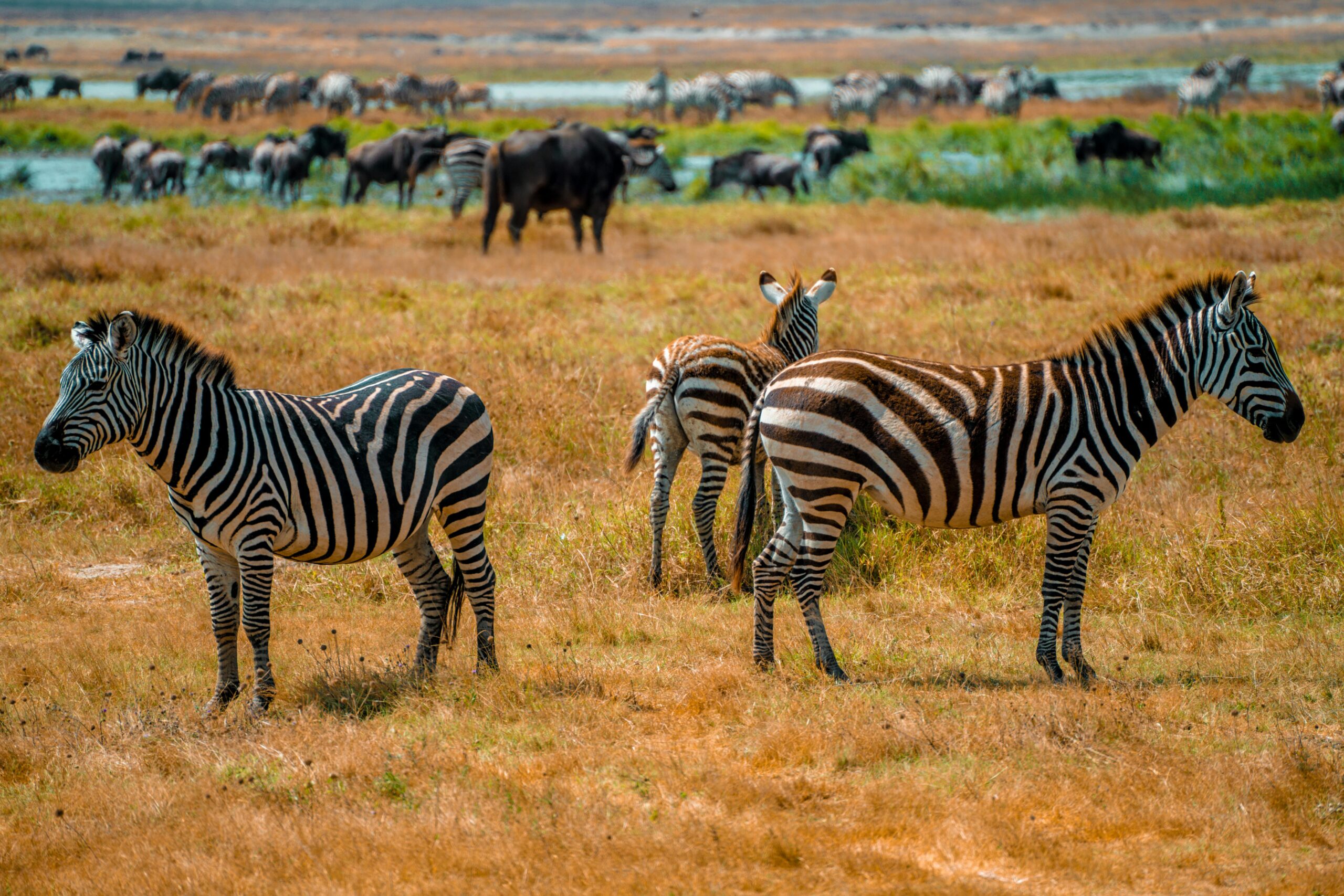
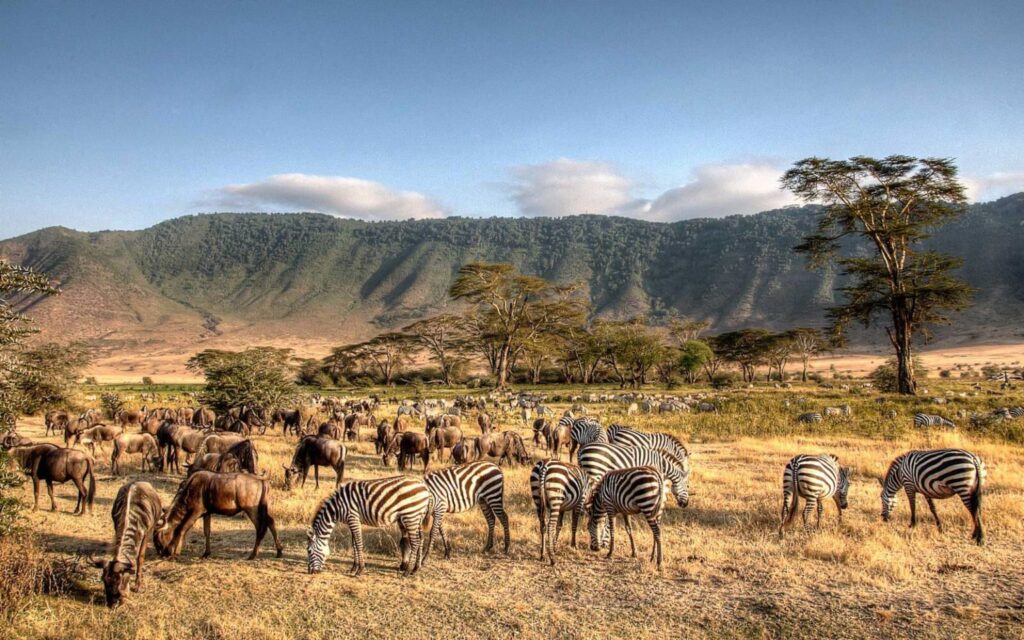
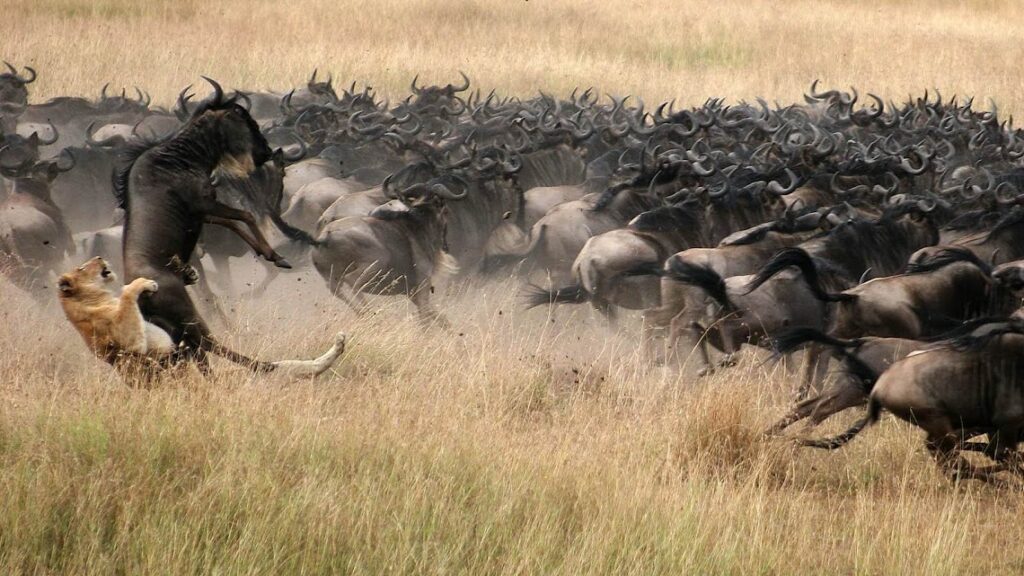
- Dense Wildlife Population: The Ngorongoro Crater is renowned for its high concentration of wildlife. Visitors can expect to encounter the Big Five (lion, leopard, elephant, buffalo, and rhinoceros) along with various other species in a relatively small and enclosed area.
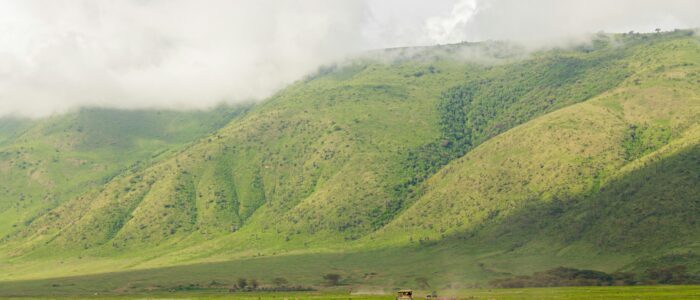
- Stunning Scenery: The crater’s unique landscape, formed within an ancient volcanic caldera, offers breathtaking panoramic views. The crater floor is a mosaic of grassy plains, woodlands, and a central soda lake.
- Black Rhinoceros Conservation: The crater is one of the last strongholds for the endangered black rhinoceros. Conservation efforts within the crater aim to protect and preserve this iconic species.
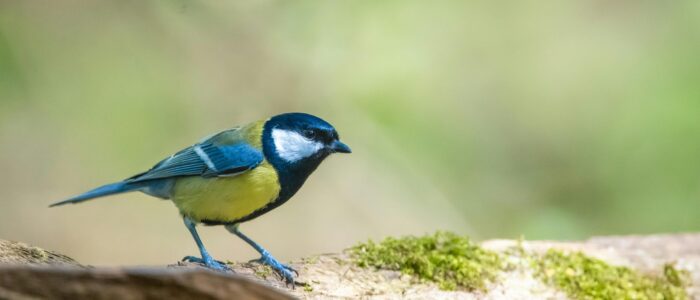
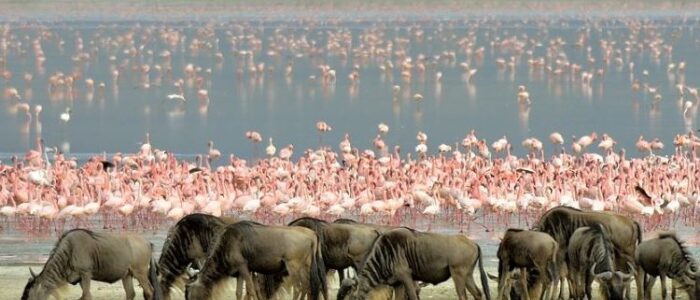
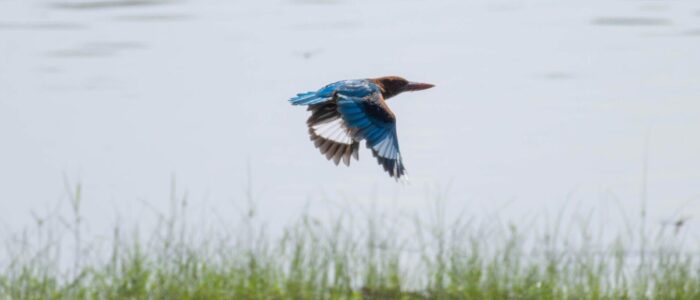
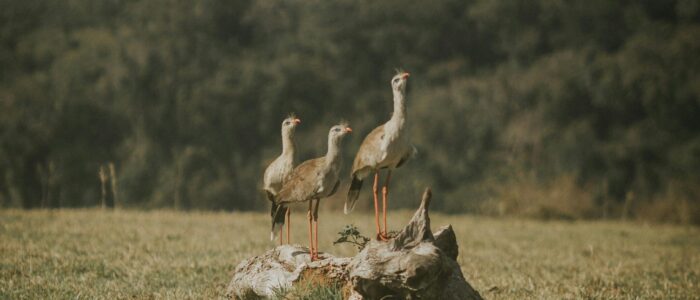
- Birdwatching: The Ngorongoro Crater is home to a diverse range of bird species, making it a paradise for birdwatchers. Flamingos, ostriches, and a variety of raptors can be spotted in the area.
Things to Do:
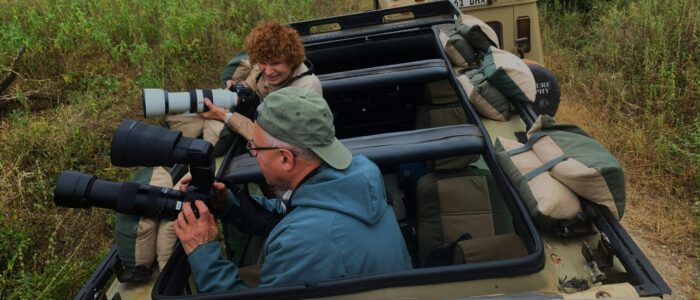
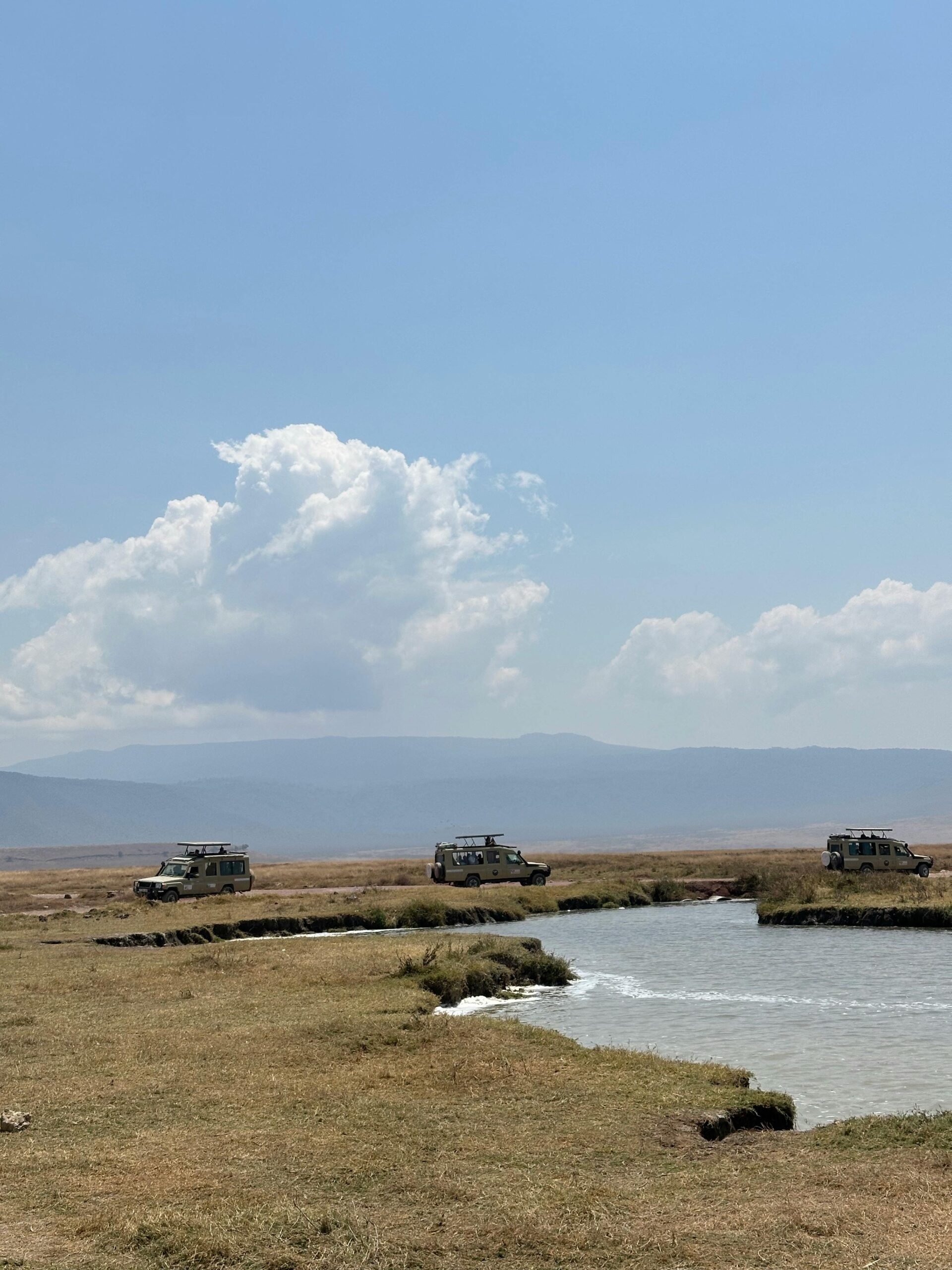
- Game Drives: Explore the crater floor on a game drive to observe the rich diversity of wildlife, from large mammals to birdlife, against the backdrop of the crater walls.
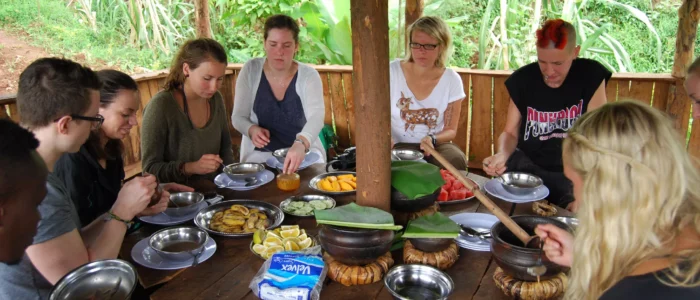
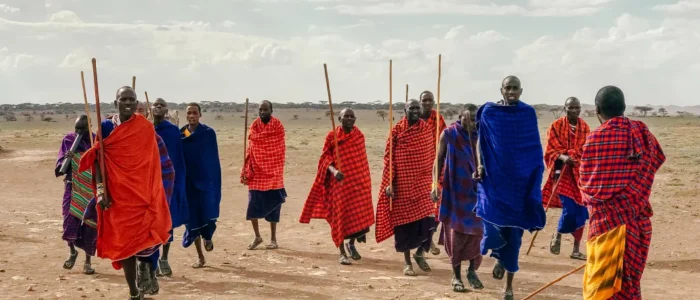
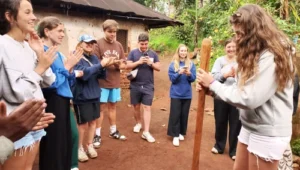
- Cultural Visits: Nearby Maasai communities offer cultural visits, providing insights into traditional Maasai life, customs, and crafts.
- Photography: Capture the stunning landscapes and abundant wildlife through photography, with the backdrop of the crater walls adding a dramatic element to the images.
- Hiking: Some lodges offer guided hikes along the crater rim, providing different perspectives of the crater and its surroundings.
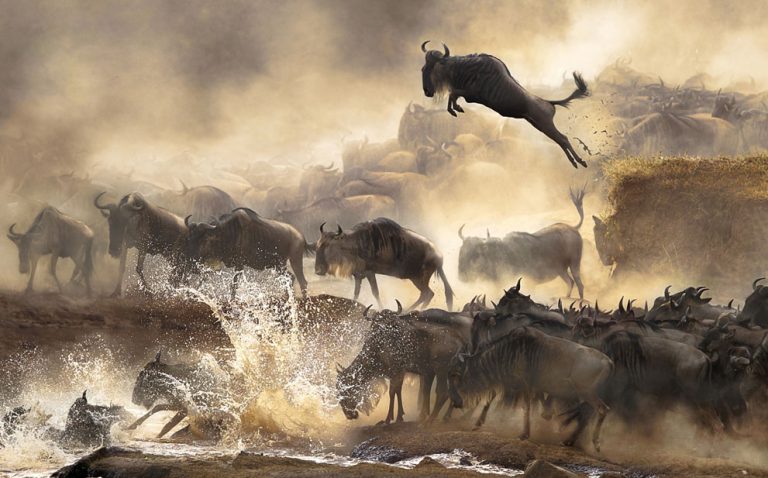
Fun Facts about Ngorongoro Crater:
- Geological Marvel: The Ngorongoro Crater is the world’s largest intact volcanic caldera, formed by the collapse of a giant volcano over two million years ago.
- UNESCO World Heritage Site: Designated as a UNESCO World Heritage Site, the crater is recognized for its outstanding natural beauty and ecological significance.
- Olduvai Gorge: Adjacent to the Ngorongoro Conservation Area, Olduvai Gorge is a paleoanthropological site where some of the earliest hominid fossils were discovered, providing crucial insights into human evolution.
Best Time to Visit:
The Ngorongoro Crater can be visited year-round, but the dry season (June to October) is considered the best time for wildlife viewing. During this period, the grass is shorter, and animals are concentrated around water sources, improving visibility. The wet season (November to May) brings lush landscapes, newborn animals, and fewer tourists, but the crater can become muddy and less accessible. The choice of when to visit depends on personal preferences and the type of experience you seek.
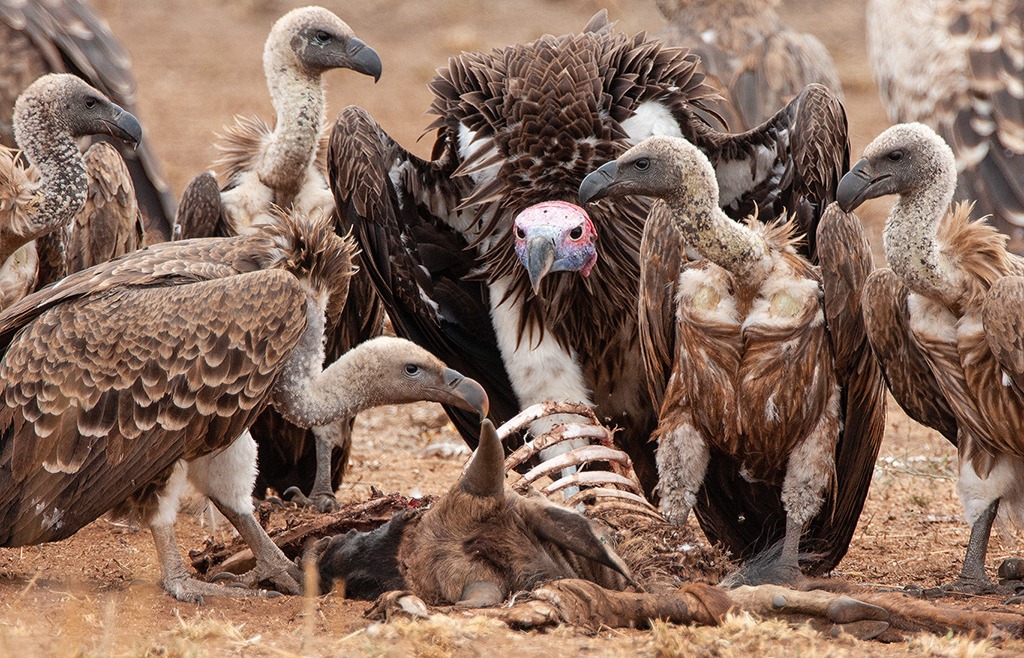
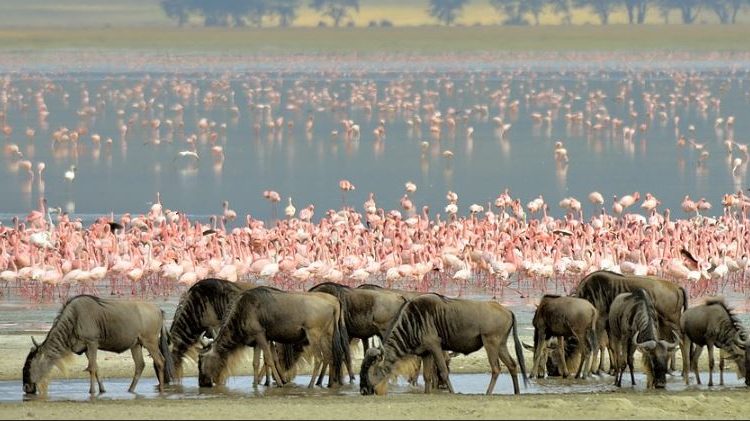
The crater is home to over 25,000 large animals, making it one of the best safari destinations in Africa.
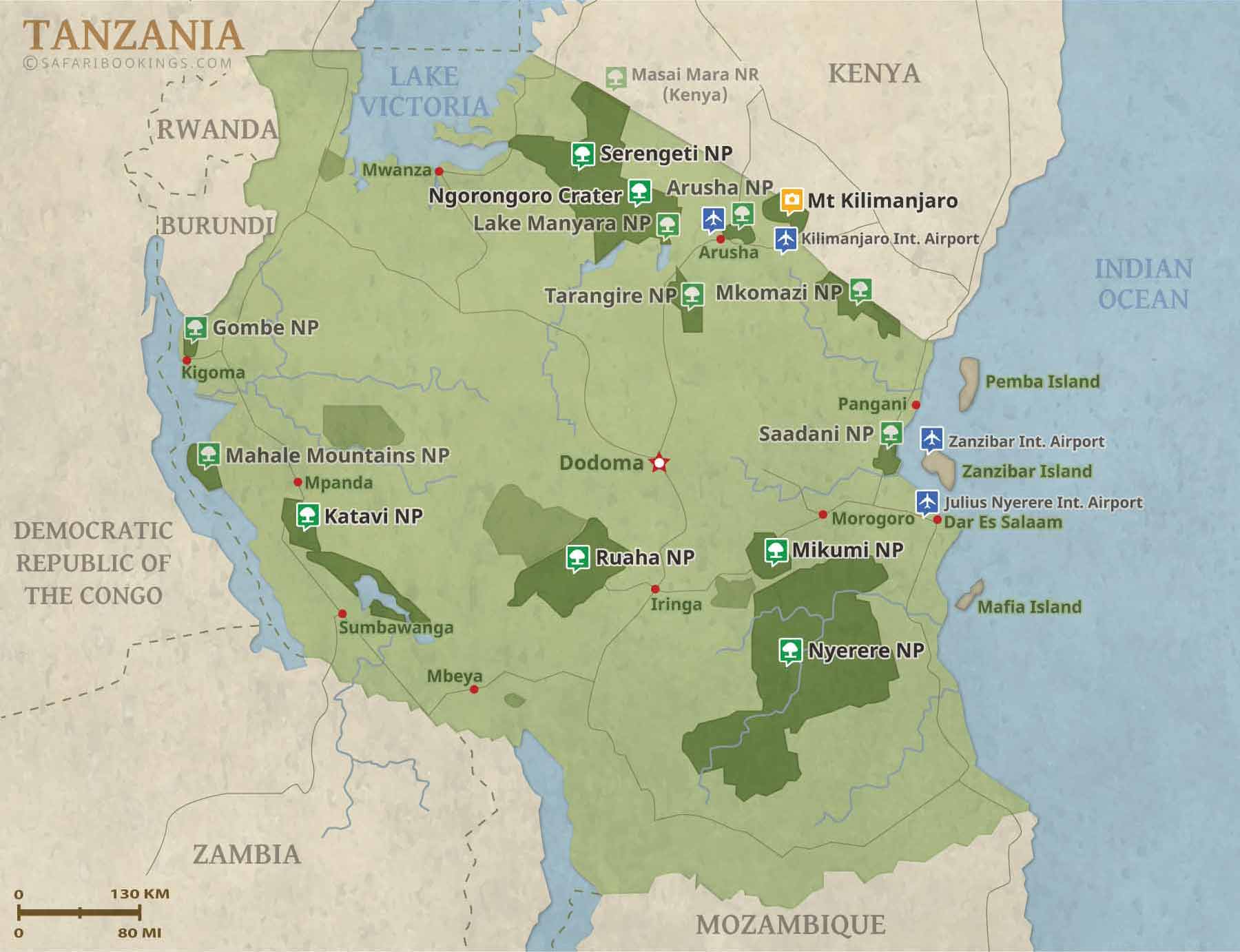
Ngorongoro Crater (Tanzania) designed for a 1–2 day safari experience, usually combined with Serengeti or Tarangire in the northern circuit.
Full Itinerary of Ngorongoro Crater
🗓️ Day 1: Arrival – Drive to Ngorongoro Highlands
- Early morning departure from Arusha or Moshi
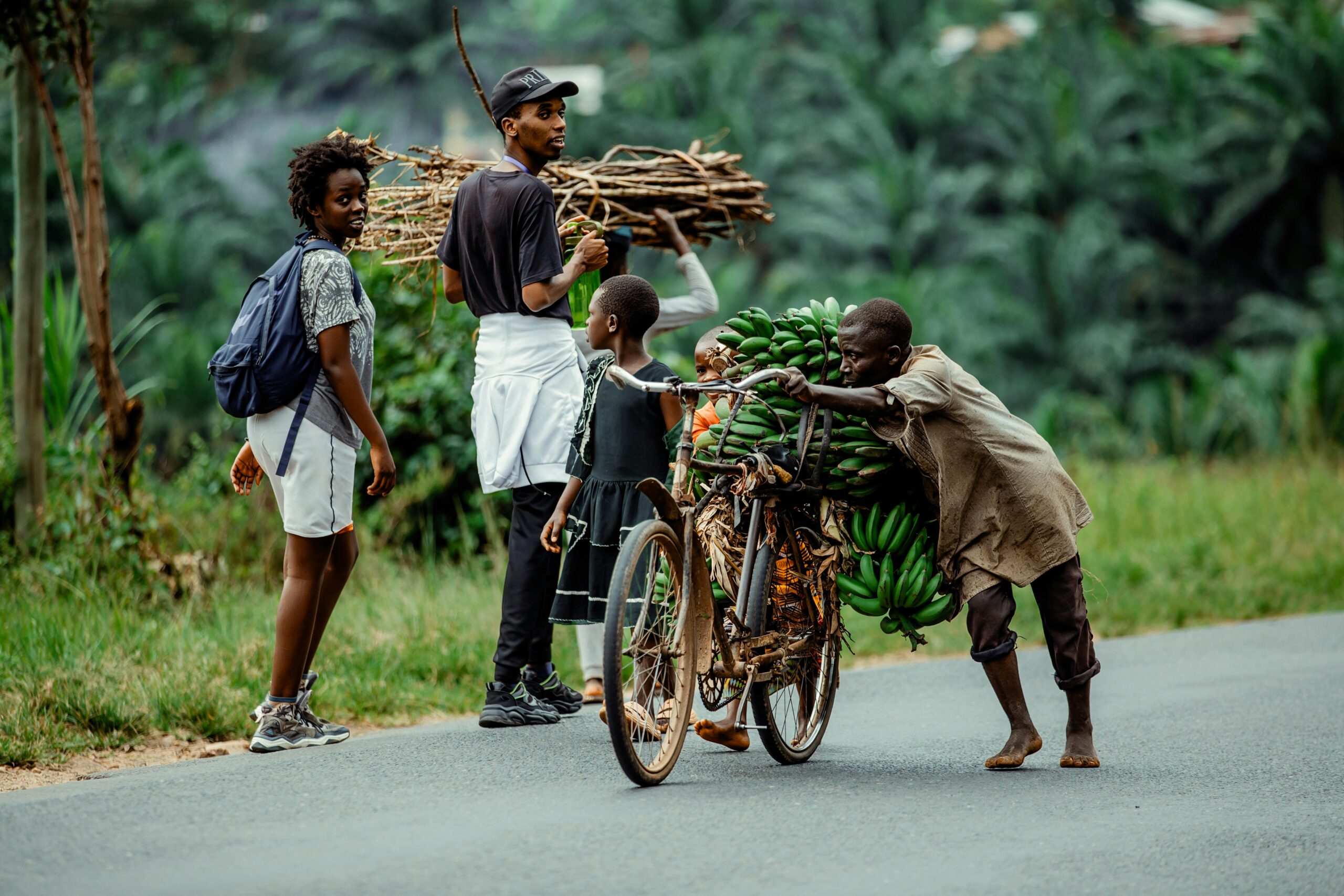
- Drive through scenic highlands and Maasai villages
- Stop at viewpoints along the Great Rift Valley
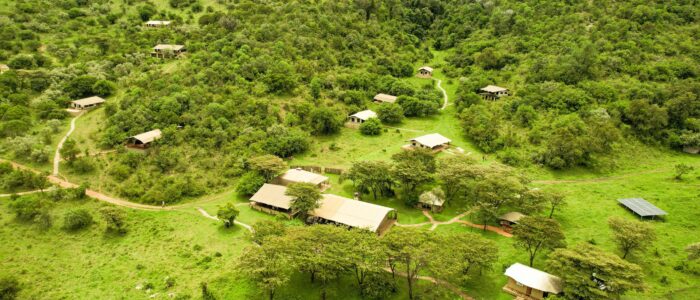
- Arrive in Karatu or crater rim lodge area
- Lunch and relaxation at lodge
- Optional visit to Maasai village (cultural tour)
- Dinner and overnight stay near the crater
Highlights:
- Beautiful mountain scenery
- First views of the Ngorongoro highlands
- Cultural Maasai experience
🗓️ Day 2: Crater Game Drive – Full Safari Experience
- Early breakfast (very important for wildlife viewing)
- Descend 600 meters into the crater floor
- Start a full-day game drive inside the crater
🐘 Wildlife viewing:
- Lions (very common)
- Elephants (especially older bulls)
- Black rhinos (rare and protected)
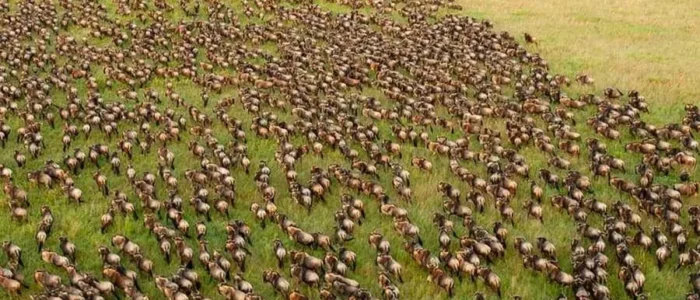
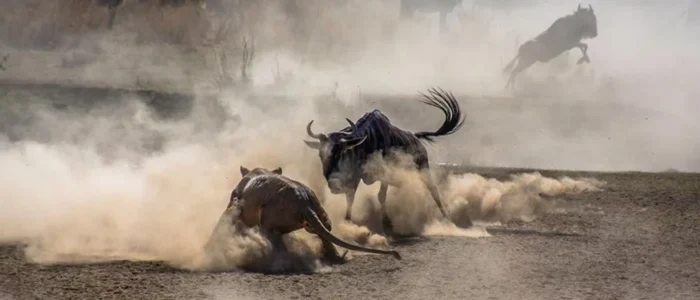
- Buffalo, zebras, wildebeest
- Hippos in pools
- Flamingos at Lake Magadi
- Picnic lunch at hippo pool area
- Afternoon game drive exploring different habitats
- Ascend the crater in the late afternoon
- Return to Arusha or overnight at lodge

Support work of Ngorongoro Crater National Park by visiting the park and see the wildlife that calls this place home. Visiting Parks help support local livelihoods and help protect wildlife for generations to come.